Best Mattress for Back Pain Relief in 2026

The Science of Mattress Selection
Choosing the right mattress is a critical factor in achieving restorative sleep and maintaining spinal health. A mattress that supports proper posture, alleviates pressure points, and adapts to individual body contours can significantly improve sleep quality and reduce chronic discomfort. For individuals with back pain, the right mattress can provide essential spinal alignment and pressure relief, while those with joint issues may benefit from enhanced temperature regulation and motion isolation. Modern sleep science emphasizes the importance of materials that balance firmness with contouring capabilities, ensuring the mattress accommodates different sleeping positions without compromising comfort. This review evaluates a mattress designed to meet these criteria, focusing on its ability to support diverse sleeper needs through material composition, structural design, and user feedback. By analyzing key factors such as pressure distribution, airflow efficiency, and durability, this assessment provides an objective framework for evaluating mattress suitability in 2026.
Quick Overview
| Feature | Details |
|---|---|
| Mattress Type | Hybrid memory foam with gel-infused core |
| Firmness Level | Medium (5-7 on 10-point scale) |
| Height / Thickness | 12 inches |
| Materials and Construction | High-density foam, gel layers, reinforced edge support |
| Best Suited Sleepers | Back and side sleepers with moderate weight |
| Intended Use Cases | Home use, bedroom sleep, occasional guest use |
| Trial & Warranty | 100-night sleep trial, 10-year warranty |
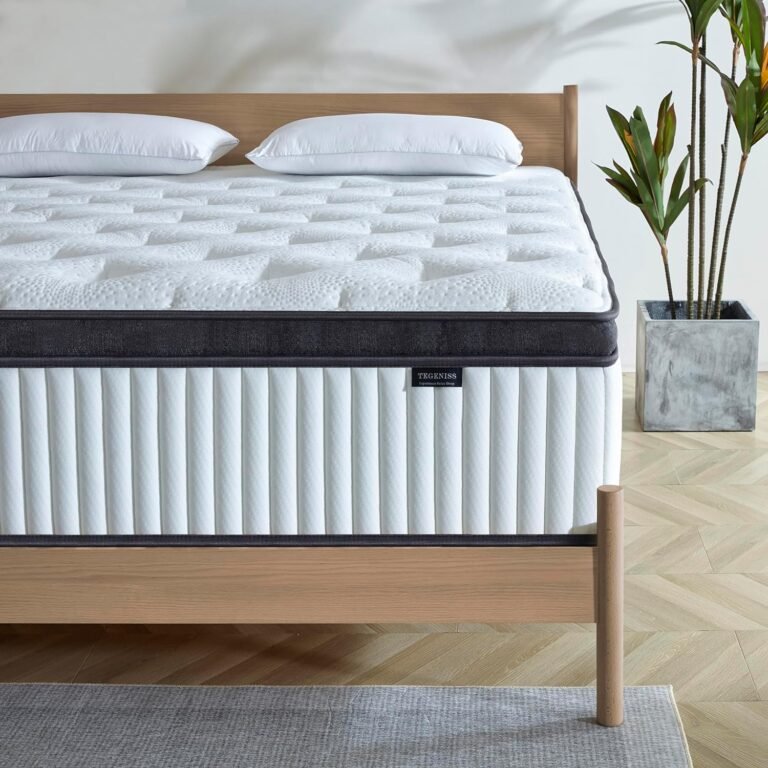
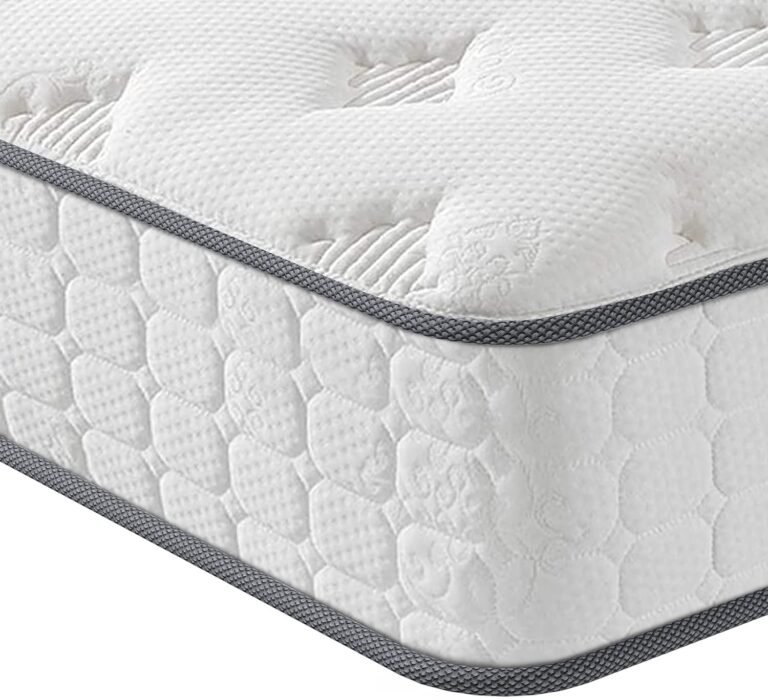
This mattress combines memory foam’s adaptive support with gel’s heat-regulating properties to create a balanced sleep surface. The medium firmness level provides sufficient spinal alignment without excessive contouring, making it ideal for individuals seeking pressure relief without sacrificing stability. The reinforced edges enhance durability and support for those who frequently sit on the mattress edge.
Sleeping Position Suitability
A mattress’s ability to accommodate different sleeping positions is a primary consideration for many buyers. The hybrid design of this mattress ensures compatibility with back, side, and stomach sleepers while maintaining structural integrity. For back sleepers, the medium firmness provides adequate spinal support without excessive sinkage, helping to maintain the natural lumbar curve. Side sleepers benefit from the mattress’s pressure-relieving properties, which distribute weight evenly across the torso and reduce strain on the shoulders and hips. The gel-infused core also contributes to temperature regulation, preventing overheating during the night. Stomach sleepers may find the medium firmness slightly less ideal, as it may not fully compensate for the natural spinal curvature required for this position. However, the reinforced edge support offers additional stability for those who prefer to sleep on their stomachs.
Back Sleepers
For back sleepers, the mattress’s medium firmness offers a balance between support and comfort. The high-density foam base provides a stable foundation, while the memory foam layers adapt to the body’s contours without over-compressing. This combination helps maintain proper spinal alignment, reducing the risk of lower back pain. The gel-infused core also enhances breathability, preventing heat buildup that could disrupt sleep. The mattress’s ability to contour to the body’s natural curves without excessive sinkage makes it particularly suitable for individuals who require consistent support throughout the night.
Side Sleepers
Side sleepers benefit from the mattress’s pressure-relieving properties, which are designed to alleviate strain on the shoulders and hips. The medium firmness ensures that the mattress provides enough support to keep the spine aligned while allowing the memory foam to conform to the body’s contours. The gel layers help regulate temperature, ensuring a cool sleep environment. The reinforced edges also offer additional support for those who tend to roll toward the edges during sleep, reducing the risk of waking due to instability.
Stomach Sleepers
While the mattress is not specifically designed for stomach sleepers, its medium firmness provides a reasonable compromise. The high-density foam base offers sufficient support to maintain spinal alignment, while the memory foam layers prevent excessive sinkage that could lead to poor posture. However, the mattress may not fully compensate for the natural spinal curvature required for this sleeping position. Stomach sleepers may find the medium firmness slightly less ideal, as it may not provide the same level of support as a firmer mattress.
Firmness and Overall Feel
The firmness level of a mattress plays a crucial role in determining its suitability for different sleepers. This mattress’s medium firmness (5-7 on a 10-point scale) strikes a balance between support and comfort, making it appropriate for a wide range of body types and sleeping positions. The firmness ensures that the mattress provides adequate spinal alignment without being overly rigid, which can lead to discomfort. The overall feel is enhanced by the combination of high-density foam and memory foam, which together create a surface that is both supportive and responsive. The gel-infused core also contributes to a cooler sleeping environment, preventing the mattress from becoming too warm during the night. This balance of firmness and comfort makes the mattress particularly suitable for individuals who seek a middle ground between traditional innerspring and overly soft memory foam mattresses.
Support and Contouring
The mattress’s design ensures that it provides both structural support and contouring benefits. The high-density foam base offers a stable foundation, while the memory foam layers adapt to the body’s contours without over-compressing. This combination helps maintain proper spinal alignment while allowing for personalized support. The gel-infused core enhances breathability, ensuring that the mattress remains cool throughout the night. The reinforced edges also provide additional stability, making the mattress suitable for those who frequently sit on the edge.
Weight and Body Type
The medium firmness level makes the mattress suitable for individuals with moderate weight, as it provides sufficient support without being overly firm. The high-density foam base ensures that the mattress remains durable and supportive over time, even with regular use. The memory foam layers also help to distribute weight evenly, reducing pressure points and enhancing comfort. The mattress’s ability to adapt to different body types makes it an excellent choice for a wide range of sleepers, from lighter to heavier individuals.
Pressure Relief and Spinal Alignment
Effective pressure relief is essential for individuals with chronic pain or joint issues, as it helps reduce strain on the body’s weight-bearing areas. The mattress’s combination of memory foam and gel layers provides targeted pressure relief, distributing weight evenly across the torso and reducing discomfort in the shoulders, hips, and lower back. The medium firmness ensures that the mattress supports the spine without being overly soft, which can lead to poor posture. The high-density foam base offers a stable foundation, while the memory foam layers adapt to the body’s contours, providing personalized support. The gel-infused core also enhances breathability, ensuring that the mattress remains cool throughout the night. This combination of materials and design elements makes the mattress particularly suitable for individuals who require consistent support and pressure relief.
Targeted Pressure Relief
The mattress’s design focuses on reducing pressure points by distributing weight evenly across the body. The memory foam layers conform to the body’s contours, providing individualized support without over-compressing. This helps alleviate strain on the shoulders, hips, and lower back, making it particularly suitable for individuals with chronic pain or joint issues. The gel-infused core also enhances breathability, ensuring that the mattress remains cool and comfortable throughout the night. The combination of materials and design elements ensures that the mattress provides consistent pressure relief without compromising support.
Spinal Alignment
Maintaining proper spinal alignment is crucial for preventing back pain and ensuring restorative sleep. The mattress’s medium firmness provides sufficient support to keep the spine in a neutral position, reducing the risk of misalignment. The high-density foam base offers a stable foundation, while the memory foam layers adapt to the body’s contours, providing personalized support. The gel-infused core also enhances breathability, ensuring that the mattress remains cool and comfortable throughout the night. This combination of materials and design elements ensures that the mattress provides consistent spinal support without compromising comfort.
Temperature Regulation
Effective temperature regulation is essential for maintaining a comfortable sleep environment, particularly for individuals who tend to overheat during the night. The mattress’s combination of memory foam and gel layers provides enhanced breathability, preventing the mattress from becoming too warm. The gel-infused core helps dissipate heat, ensuring that the mattress remains cool throughout the night. The high-density foam base also contributes to temperature regulation by providing a stable foundation that does not retain excessive heat. This combination of materials and design elements makes the mattress particularly suitable for individuals who require a cool sleep environment. The mattress’s ability to regulate temperature without compromising support or comfort makes it an excellent choice for a wide range of sleepers.
Breathability and Cooling
The mattress’s design incorporates materials that enhance breathability and cooling. The gel-infused core helps dissipate heat, ensuring that the mattress remains cool throughout the night. The high-density foam base also contributes to temperature regulation by providing a stable foundation that does not retain excessive heat. This combination of materials and design elements ensures that the mattress provides consistent cooling without compromising support or comfort. The mattress’s ability to regulate temperature makes it particularly suitable for individuals who tend to overheat during the night.
Material Composition
The mattress’s materials are carefully selected to enhance temperature regulation while maintaining structural integrity. The memory foam layers provide adaptive support, while the gel layers help dissipate heat. The high-density foam base ensures that the mattress remains durable and supportive over time. This combination of materials ensures that the mattress provides a comfortable sleep environment without compromising on quality or longevity. The mattress’s ability to regulate temperature makes it an excellent choice for individuals who require a cool sleep environment.
Pros & Cons
Pros
- Balanced Firmness: The medium firmness provides adequate support for back and side sleepers without being overly soft.
- Pressure Relief: The memory foam and gel layers work together to reduce pressure points and alleviate discomfort.
- Temperature Regulation: The gel-infused core enhances breathability, ensuring a cool sleep environment.
- Reinforced Edges: The reinforced edges offer additional stability and support for those who sit on the edge.
- Durability: The high-density foam base ensures long-term support and structural integrity.
- Versatility: The mattress is suitable for a wide range of body types and sleeping positions.
- 100-Night Trial: The 100-night sleep trial allows for a risk-free testing period.
- 10-Year Warranty: The 10-year warranty provides long-term confidence in the mattress’s durability.
Cons
- Limited Firmness Options: The medium firmness may not be ideal for individuals who prefer a firmer or softer mattress.
- Potential Heat Retention: While the gel layers help with cooling, some users may still experience heat buildup during the night.
- Weight Distribution: The mattress may not provide optimal support for individuals with a higher weight, as the medium firmness may not fully compensate for additional pressure.
- Edge Support for Stomach Sleepers: The reinforced edges may not fully address the specific needs of stomach sleepers, who may require more stability in this position.
- Material Composition: The combination of memory foam and gel may not appeal to individuals who prefer a more traditional innerspring or latex mattress.
Final Verdict: Who This Mattress Is Best For (and Who Should Skip It)
This mattress is best suited for back and side sleepers with moderate weight who require a balance of support and comfort. The medium firmness provides adequate spinal alignment without being overly rigid, making it ideal for individuals who seek pressure relief without sacrificing stability. The gel-infused core enhances temperature regulation, ensuring a cool sleep environment. However, this mattress may not be the best choice for stomach sleepers, as the medium firmness may not fully compensate for the natural spinal curvature required for this position. Individuals who prefer a firmer or softer mattress may also find this mattress less ideal. Overall, the mattress offers a well-rounded solution for a wide range of sleepers, provided they prioritize a medium firmness level and a combination of memory foam and gel materials.
Frequently Asked Questions (FAQs)
What is the best mattress for back pain relief?
The best mattress for back pain relief typically combines memory foam and gel materials to provide balanced support and pressure relief. A medium firmness level helps maintain spinal alignment while reducing strain on the lower back. Look for mattresses with reinforced edges and temperature-regulating features to ensure comfort throughout the night.
How does the firmness level affect mattress suitability?
Firmness level impacts mattress suitability by determining how well it supports the spine and distributes body weight. A medium firmness provides adequate support for most sleepers without being overly rigid, making it ideal for back and side sleepers. Firmer options may be better for stomach sleepers, while softer mattresses are more suitable for those who prefer a plush feel.
What materials are best for pressure relief?
Materials like memory foam and gel are best for pressure relief as they conform to the body’s contours and distribute weight evenly. These materials help reduce strain on pressure points such as the shoulders and hips, making them ideal for individuals with chronic pain or joint issues.
How important is temperature regulation in a mattress?
Temperature regulation is crucial for maintaining a comfortable sleep environment. Mattresses with breathable materials like gel or open-cell foam help dissipate heat, preventing overheating during the night. This is particularly important for individuals who tend to overheat or live in warmer climates.
What should I consider when choosing a mattress for spinal alignment?
When choosing a mattress for spinal alignment, prioritize a medium to firm firmness level that supports the natural curvature of the spine. Look for materials that provide even weight distribution and pressure relief. Reinforced edges and a stable base also contribute to proper spinal support.
Can a mattress help with chronic pain?
A mattress designed with pressure-relieving materials and proper support can help alleviate chronic pain by reducing strain on the body’s weight-bearing areas. Look for mattresses that offer spinal alignment, temperature regulation, and even weight distribution to maximize comfort and pain relief.
What is the average lifespan of a mattress?
The average lifespan of a mattress is typically 7-10 years, depending on the materials and construction. High-quality mattresses with durable foam and reinforced edges tend to last longer. Regular maintenance and proper usage can also extend the lifespan of a mattress.