
Latex Mattresses Guide
Latex mattresses are known for a buoyant feel, strong responsiveness, good airflow, and a reputation for durability. They are often a compelling alternative for readers who like pressure relief but do not enjoy the slower, deeper sink of traditional memory foam.
What Sets Latex Apart
Latex tends to feel more resilient and springy than memory foam. Instead of allowing the body to sink deeply into the mattress, it often creates a more lifted sensation while still providing some cushioning. That makes it appealing to combination sleepers, hotter sleepers, and shoppers who prioritize easier movement.
Who Often Likes Latex Mattresses
- Combination sleepers who want easier repositioning
- Hot sleepers comparing breathable mattress options
- Readers who want stronger material resilience
- Heavier sleepers comparing support and durability
Main Tradeoffs
Latex often costs more than basic foam beds, and some readers find its buoyant feel less pressure relieving than softer memory foam or plush hybrids. That is why sleep position and firmness still matter.
Where Latex Often Makes the Most Sense
Latex can be especially appealing for readers who prioritize support, responsiveness, cooling, and durability in one package. It is often part of the comparison set for hotter sleepers, heavier bodies, and shoppers who want a mattress that feels more resilient over time than many lower-density foams.
How Latex Feel Differs From Foam Feel
One of the most important things readers should understand about latex is that it usually feels more buoyant than memory foam. Instead of allowing the body to settle in deeply, it tends to push back more quickly and keep the sleeper lifted. That can feel refreshingly supportive to combination sleepers and readers who dislike feeling stuck in the bed, but it can also feel less pressure relieving to shoppers who want a very deep contouring response.
This distinction matters because many people arrive on a latex page expecting it to behave like foam with slightly better cooling. In reality, latex often creates a different sleep experience altogether. Dream Mattress positions latex as a category that deserves comparison on its own terms rather than as a simple substitute for memory foam or hybrid comfort.
Why Latex Often Enters Durability Conversations
Latex often appears in durability discussions because readers associate the material with resilience and longer-term support retention. That does not mean every latex mattress is automatically superior, but it does mean the category is worth comparing for shoppers who expect heavy daily use, want easier movement, or care about how well a mattress may hold up over time. This is one reason latex frequently connects to pages like How Long Does a Mattress Last? and Best Mattress for Heavy People.
How to Use This Guide With Related Pages
Compare latex with hybrids if you want balanced support, with memory foam if you want deeper contouring, and with Best Mattress for Heavy People if durability and resilience are a priority. For broader shopper education, use How to Choose a Mattress.
Related Guides
FAQ
Are latex mattresses cooler than memory foam?
Often yes, though the exact result depends on the full mattress construction and how deeply the sleeper sinks into the bed.
Are latex mattresses too firm for side sleepers?
Not always, but some firmer latex builds can feel less pressure relieving than softer foam or hybrid options for side-sleeper needs.
How Latex Shows Up in Mattress Comparison Paths
Latex often enters the research process when readers know they want more bounce, more resilience, or better airflow than they expect from memory foam. It can also enter the conversation when durability becomes a major consideration. That makes latex one of the most interesting comparison categories on Dream Mattress because it is frequently a second-step choice. Readers arrive here after narrowing other parts of the field and trying to understand whether a more buoyant, supportive mattress might fit their goals better.
The category is also useful because it helps readers understand that pressure relief does not always have to come from deep sink. Latex often supports by lifting and cushioning at the same time. That different feel is one reason it remains a strong comparison category for combination sleepers, hotter sleepers, and shoppers who want durability without losing comfort entirely.
Common Questions About Latex Mattresses
Are latex mattresses mainly for combination sleepers?
Combination sleepers often like them, but latex can also suit hot sleepers, heavier bodies, and readers who prefer a buoyant feel over deep contouring.
Do latex mattresses cost more for a reason?
They often appear in higher-value and durability conversations, though price should still be judged against overall fit and build quality.
Should I compare latex directly with hybrids?
Yes. That comparison helps readers decide whether they want responsiveness and support from latex or a more mixed feel from a coil-and-foam hybrid design.
How Readers Usually Use This Page in Latex Mattress Research
This page is most useful when it helps readers move from a broad problem or category interest into a more exact comparison path. Dream Mattress uses pages like this to narrow the field through real decision factors instead of asking readers to rely on generic “best mattress” language alone. That means the next step after this page is usually another focused comparison, not a restart of the whole research process.
The reason this matters is that responsiveness, durability, and whether a buoyant mattress feel is the real goal. Once those tradeoffs are clearer, the internal links around the site become much more useful. They let readers compare the remaining options with more context and less guesswork, which is one of the strongest ways a mattress site can feel genuinely helpful instead of repetitive.
Best Next-Step Questions
- What is the single strongest uncertainty this page helped reduce for me?
- Which linked Dream Mattress page would sharpen the remaining comparison most effectively?
- Do I now need more category context, more buyer guidance, or more review-level comparison?
- What tradeoff matters enough that I should compare it directly before moving to product-level decisions?
All 39 latex mattresses reviews
Newest first. Consumables, accessories and parts that were once filed here are excluded.
-
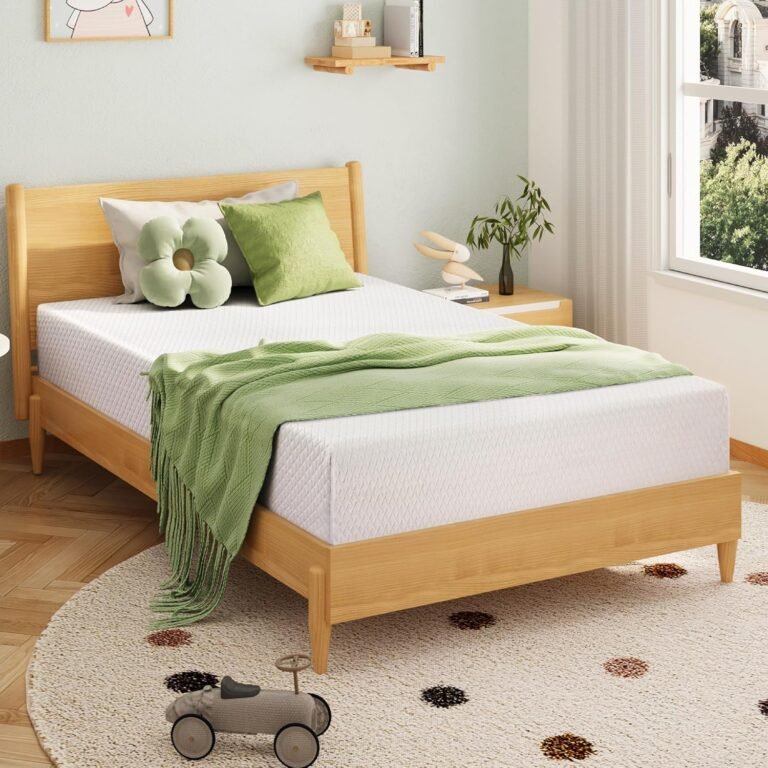
EGOHOME 6 Inch Twin Mattress for Kids, Memory Foam Mattress with Cooling Green Tea Gel Review
The EGOHOME 6 Inch Twin Mattress for Kids offers medium firm support with cooling green tea gel for balanced comfort and temperature…
-
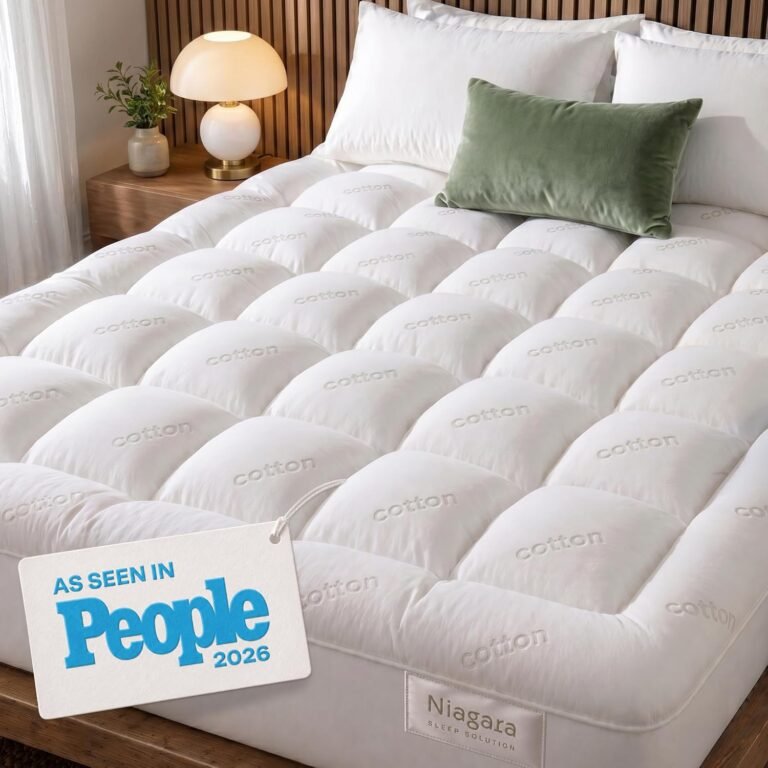
Niagara Sleep Solution Cloud-Like Queen Cotton Mattress Topper Review
This Niagara Sleep Solution Cloud review covers firmness, cotton breathability, pressure relief, and sleeper fit for this plush Queen mattress topper.
-
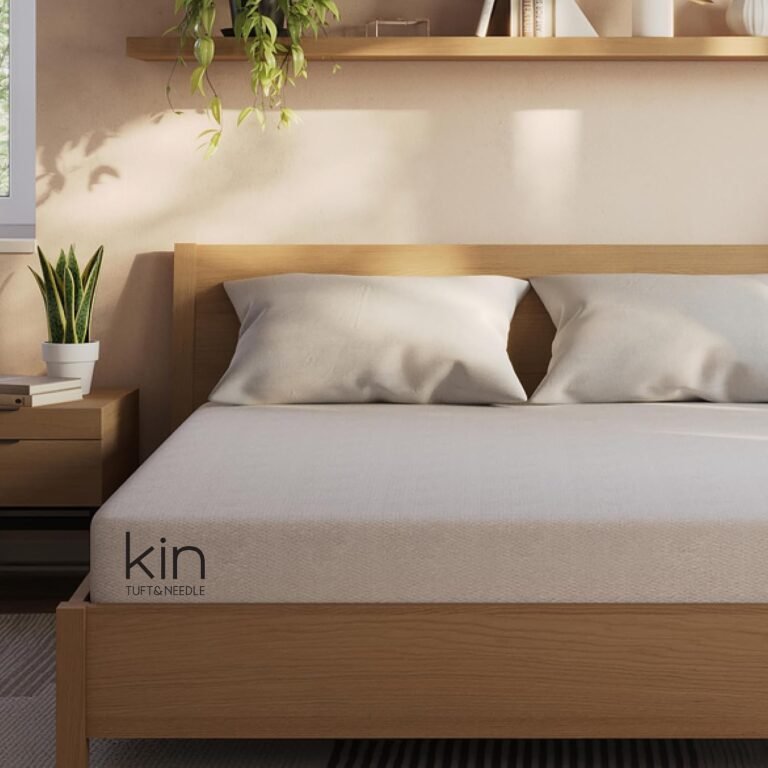
Kin By Tuft & Needle Firm 8″ Adaptive Foam Full Mattress Review
Kin By Tuft & Needle Firm 8″ Adaptive Foam Full Mattress offers firm support, cooling technology, and pressure relief for side and…
-
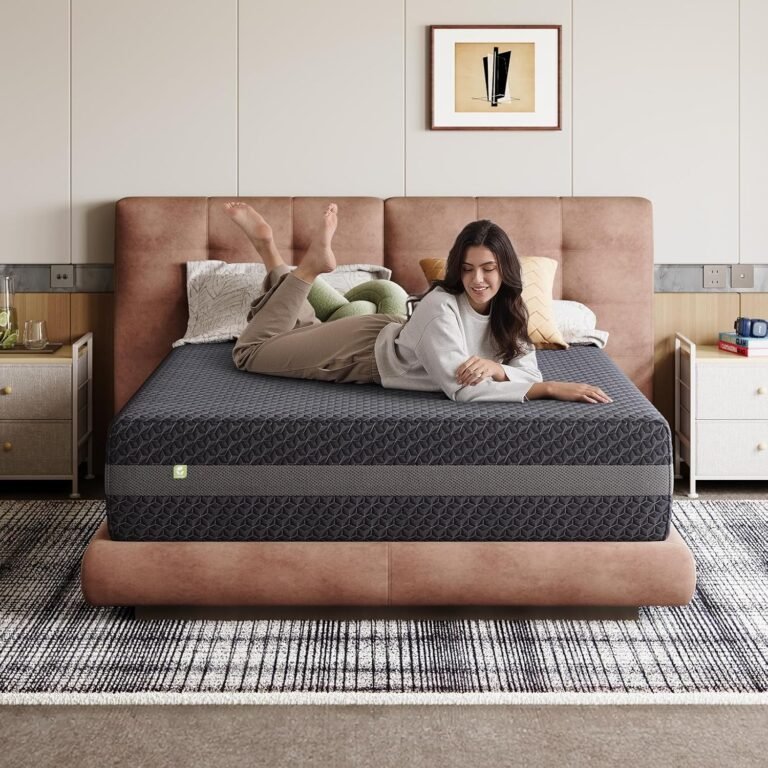
Novilla 14 Inch King Size Gel Memory Foam Mattress Review
Discover the Novilla 14 Inch King Size Gel Memory Foam Mattress for body contouring. Learn about its pressure relief, temperature regulation, and…
-
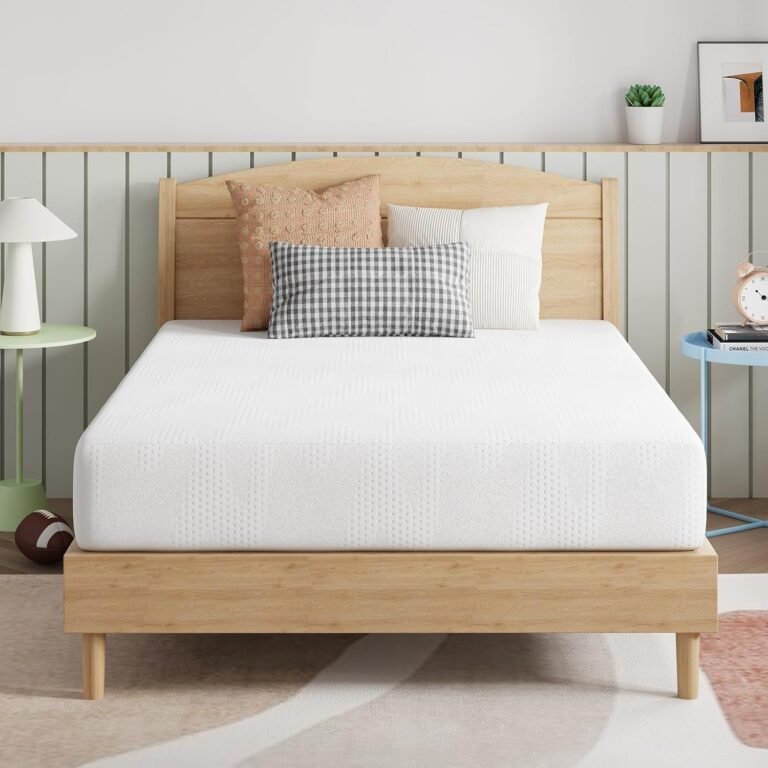
Novilla Full Size Mattress, 8 Inch Full Size Mattress in a Box, Gel Memory Foam Mattress Review
Discover the Novilla 8 Inch Full Size Mattress, featuring advanced cooling technology and three-layer construction for pressure relief.
-
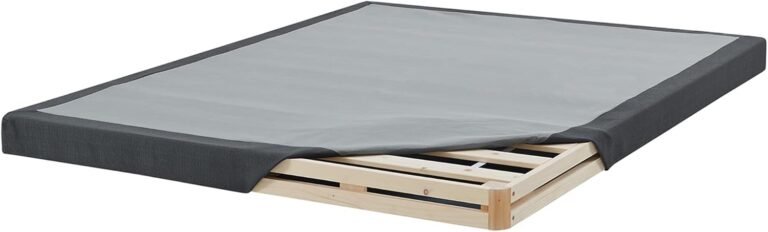
Hercules 4 Inch Low Profile Foundation Mattress Box Spring Replacement, King Review
The Hercules 4 Inch Low Profile Foundation Mattress Box Spring Replacement, King offers a space-saving, noise-free solution for modern bedrooms.
-
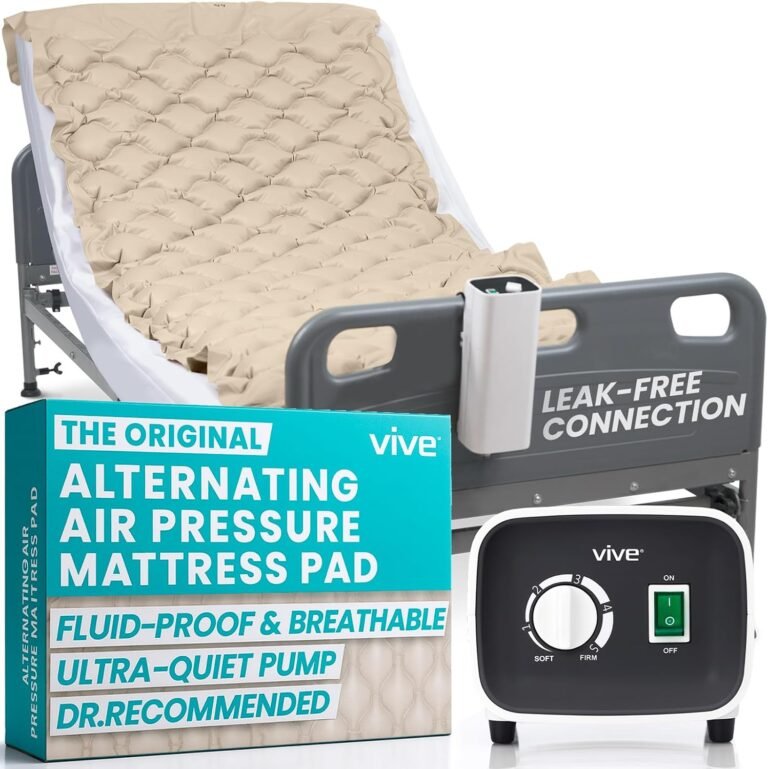
Vive Alternating Air Pressure Mattress Pad Review – 36″x78″ Beige Vinyl Mattress Pad with 130 Air Cells
A comprehensive review of the Vive alternating air pressure mattress pad, focusing on pressure relief, waterproof design, and suitability for bedridden…
-
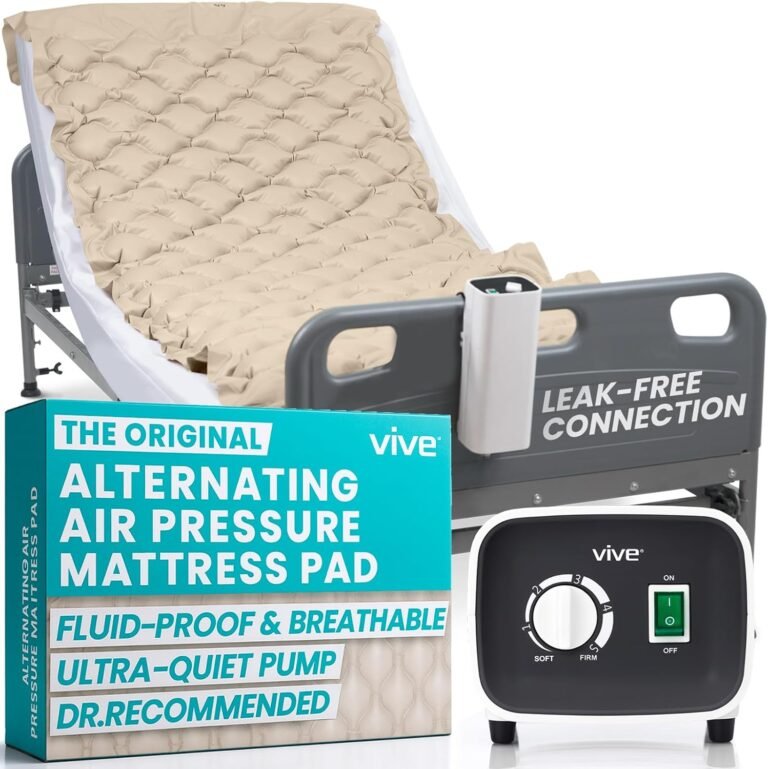
Vive Alternating Air Pressure Mattress Pad Review – 36″ x 78″ Beige Vinyl Mattress Pad for Pressure Relief
Discover the Vive Alternating Air Pressure Mattress Pad, a firm 36″ x 78″ vinyl pad designed for pressure relief and spinal support.
-
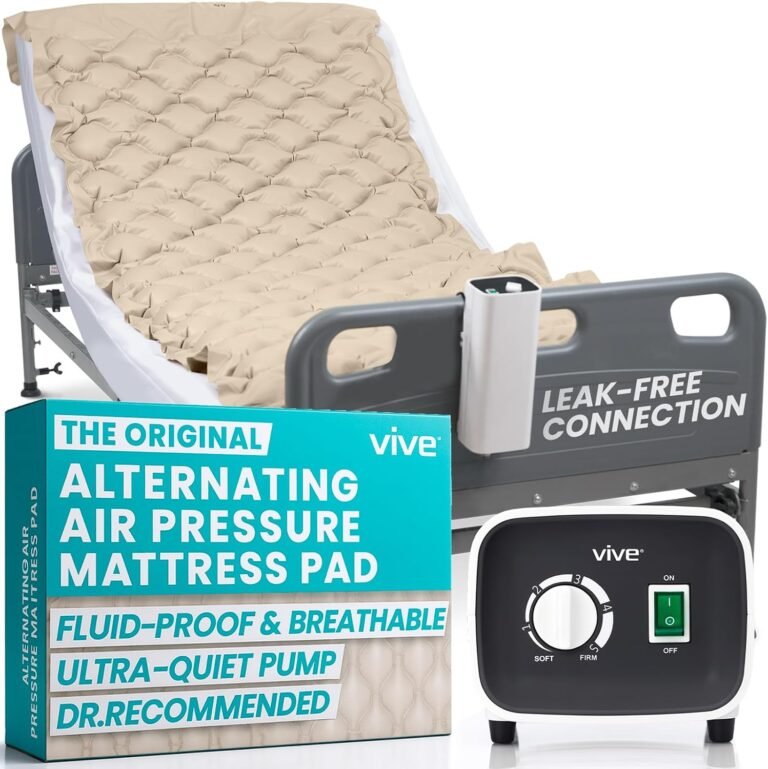
Vive Alternating Air Pressure Mattress Pad – The Original Bed Sore Prevention Solution Review
The Vive Alternating Air Pressure Mattress Pad offers firm support and pressure relief for bedridden patients.
-
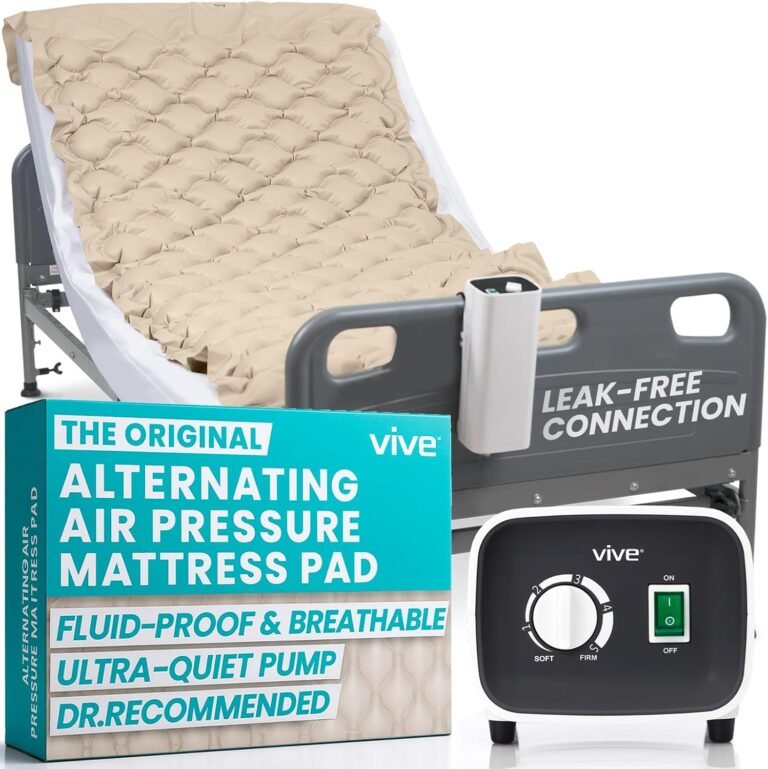
Vive Alternating Air Pressure Mattress Pad Review – 36″ x 78″ Beige Air Cell Mattress Pad for Bedridden Patients
Discover the Vive Alternating Air Pressure Mattress Pad, designed for pressure relief and bed sore prevention.
-
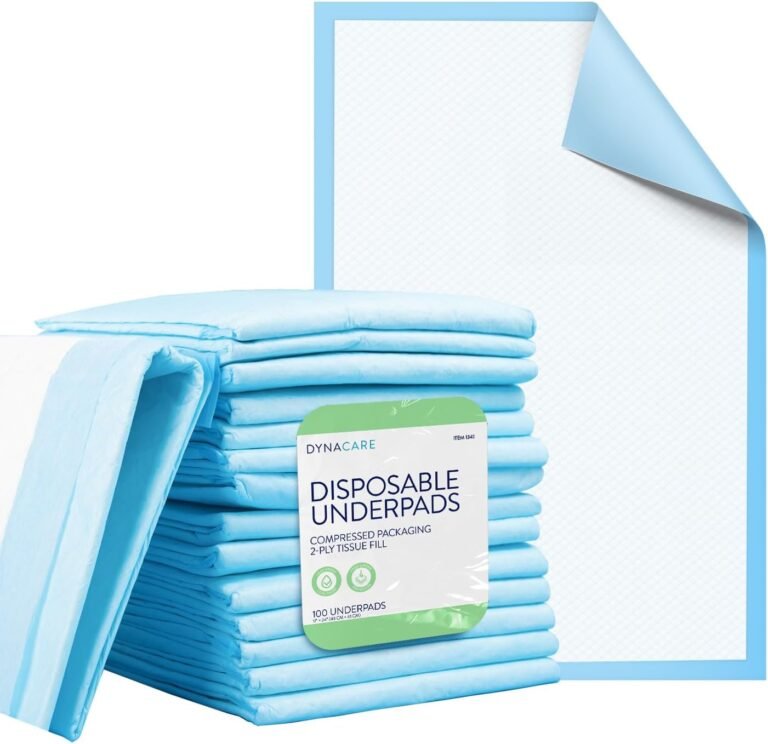
Dynarex 17″ x 24″ Disposable UnderPad, 22g, 100 Count, Polymer Mattress Review
Dynarex 17″ x 24″ disposable underpad review: Waterproof polymer construction, 22g absorbency, non-skid backing, and 100-count pack for incontinence care.
-
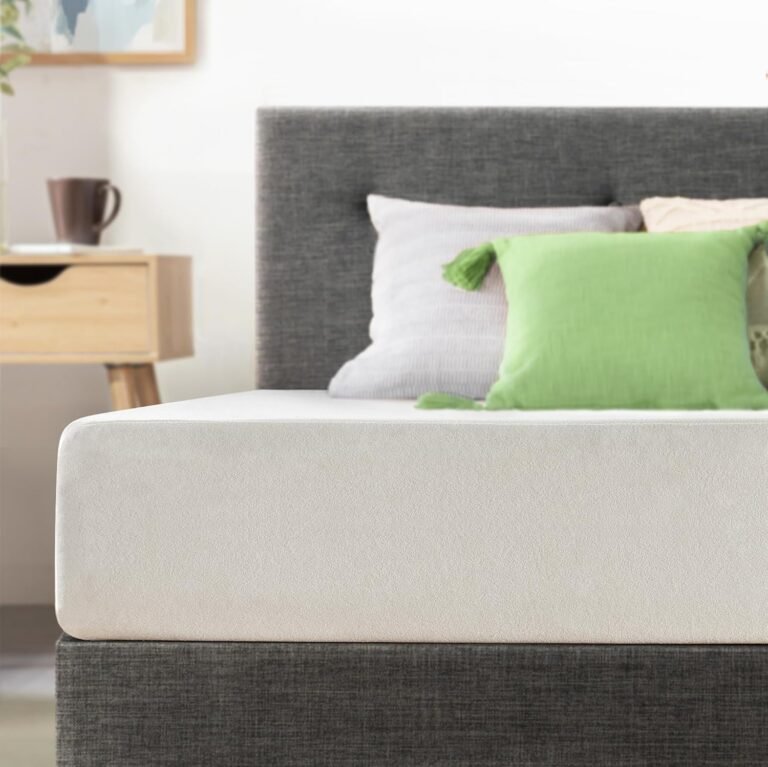
Best Price Mattress Full Mattress 6 Inch Bed-In-A-Box Green Tea Memory Foam Review
Evaluate the Best Price Mattress Full 6-inch green tea memory foam for medium firmness, pressure relief, and cooling performance in 2026.