
Gel-Infused Cooling Mattresses Guide
Gel-infused cooling mattresses are usually foam-based beds designed to sleep less warm than traditional memory foam. The cooling effect can come from gel particles, gel layers, phase-change covers, or other temperature-focused materials, but real-world performance depends on the full mattress build.
Why Readers Compare This Category
This category appeals to shoppers who like foam’s pressure relief and motion isolation but worry about overheating. It is often one of the first comparisons for hot sleepers who are not ready to give up contouring comfort.
What to Compare Beyond the Label
- Foam density and how deeply the body sinks
- Whether the support core improves airflow
- Cover materials and surface temperature management
- How the mattress compares with hybrids and latex mattresses
Who This Category Often Suits
Cooling-focused foam mattresses can suit side sleepers, couples, and readers who want a smoother foam feel without the warmer profile of more traditional all-foam beds. Readers who sleep especially hot should still compare this category carefully against hybrids and latex.
Who Should Compare Carefully
Readers who want maximum airflow, minimal sink, or strong edge support may find that a hybrid or latex mattress fits their goals more naturally than cooling foam. Gel features can help, but the category still depends on foam behavior, which means some sleepers may continue to notice heat buildup compared with coil-based or more buoyant options.
Why Cooling Features Need Context
Cooling language can be one of the most overused parts of mattress marketing. A mattress may include gel, graphite, phase-change fabric, or breathable covers, yet still feel warm if the sleeper sinks deeply into dense comfort layers. That is why Dream Mattress emphasizes cooling as a system-level issue. The full build, not just the highlighted feature, determines how well the mattress manages heat over time.
This also means readers should compare not only how cool a mattress sounds, but what they are being asked to trade away. A cooling-foam mattress may preserve the contouring and motion isolation people like about foam, but a hybrid may still offer better airflow overall. A latex mattress may feel more temperature neutral while also being more responsive. Category comparisons matter here more than feature lists alone.
When This Category Makes the Most Sense
Gel-infused cooling mattresses often make the most sense for readers who still want foam-style pressure relief but want to reduce some of the warmth associated with traditional memory foam. They can also be appealing to couples who want motion control without giving up every cooling improvement available in a foam-focused design. The category is strongest when a shopper already knows they like foam comfort and wants to refine that preference rather than abandon it.
Where This Guide Fits in the Site
Use this page with Best Mattress for Hot Sleepers, Mattress Firmness Guide, and Reviews. If motion isolation matters as much as cooling, memory foam may still be worth comparing in Memory Foam Mattresses Guide.
Related Guides
FAQ
Does gel automatically make a mattress cool?
No. Gel can help, but overall temperature performance still depends on the entire mattress design and how the sleeper interacts with it.
Are cooling-foam mattresses better than hybrids for hot sleepers?
Sometimes, but many hot sleepers still find hybrids more breathable overall. The best choice depends on whether the sleeper also wants foam contouring and motion control.
How This Category Fits Into a Cooling Comparison
Gel-infused cooling mattresses are best understood as a refinement of foam comfort rather than a replacement for every other cooling option. Readers who already like foam-style pressure relief often start here because they want to reduce warmth without giving up contouring. That makes the category especially useful as a bridge between traditional memory foam and more breathable alternatives such as hybrids or latex.
Dream Mattress positions this guide that way so readers can ask a more precise question: do I want to improve the cooling profile of a foam mattress, or do I want a mattress category that behaves differently overall? That question usually leads to better comparisons than simply asking whether gel is present.
Common Questions About Cooling-Foam Mattresses
Can this category work for side sleepers?
Often yes, especially when pressure relief matters. The sleeper just has to compare contouring comfort with how much warmth they can tolerate.
Is this category mainly for hot sleepers?
Hot sleepers are the most obvious audience, but couples or side sleepers who want foam comfort with less heat buildup may also find the category relevant.
Should I compare cooling foams with latex and hybrid options?
Yes. Those comparisons are often the most useful because they show whether the sleeper wants better airflow, better responsiveness, or better foam-style comfort.
How Readers Usually Use This Page in Cooling-Foam Mattress Research
This page is most useful when it helps readers move from a broad problem or category interest into a more exact comparison path. Dream Mattress uses pages like this to narrow the field through real decision factors instead of asking readers to rely on generic “best mattress” language alone. That means the next step after this page is usually another focused comparison, not a restart of the whole research process.
The reason this matters is that temperature claims, foam comfort, and how cooling tradeoffs compare with hybrid or latex alternatives. Once those tradeoffs are clearer, the internal links around the site become much more useful. They let readers compare the remaining options with more context and less guesswork, which is one of the strongest ways a mattress site can feel genuinely helpful instead of repetitive.
Best Next-Step Questions
- What is the single strongest uncertainty this page helped reduce for me?
- Which linked Dream Mattress page would sharpen the remaining comparison most effectively?
- Do I now need more category context, more buyer guidance, or more review-level comparison?
- What tradeoff matters enough that I should compare it directly before moving to product-level decisions?
Practical Takeaway
Cooling-foam pages are strongest when they help readers decide whether they want better foam comfort or an entirely different mattress behavior. That distinction often matters more than the cooling label itself.
All 129 gel & cooling mattresses reviews
Newest first. Consumables, accessories and parts that were once filed here are excluded.
-
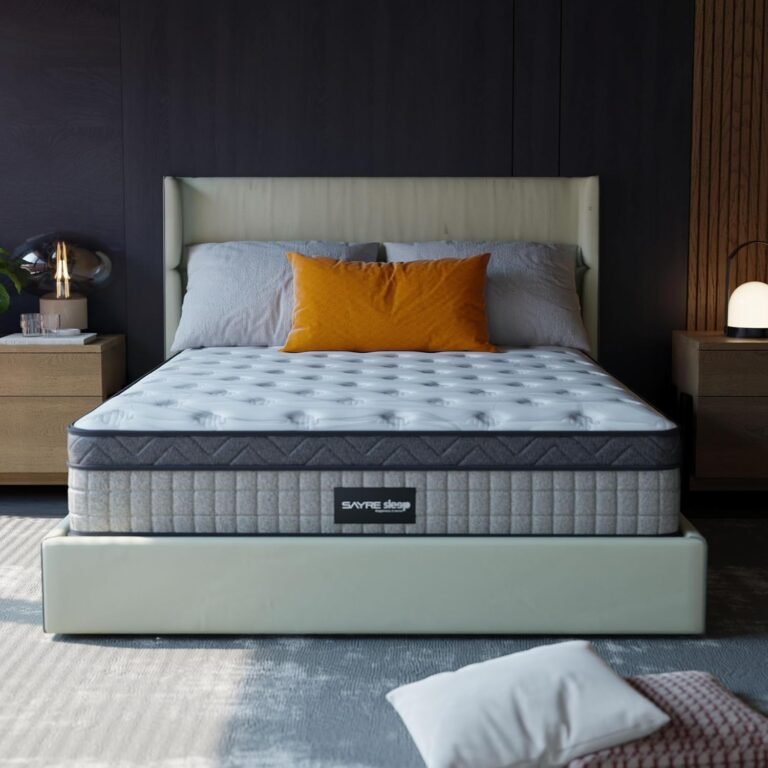
Sayre 10 Inch Queen Hybrid Mattress Review: Cooling Gel, Medium Firm Support, and Pressure Relief
Evaluate the Sayre 10 Inch Queen Hybrid Mattress for medium-firm support, cooling gel technology, and pressure relief. Discover if it’s suitable for…
-
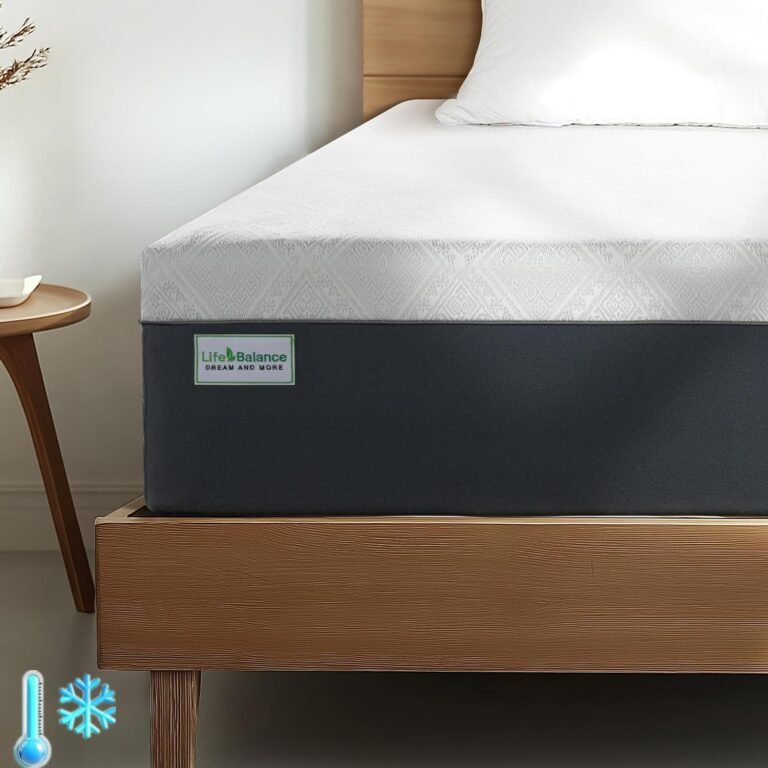
Life Balance Queen Mattress Review: Cooling Gel Memory Foam for Balanced Sleep
Evaluate the Life Balance Queen mattress for cooling, pressure relief, and motion isolation. Learn if it’s suitable for back, side, or stomach…
-
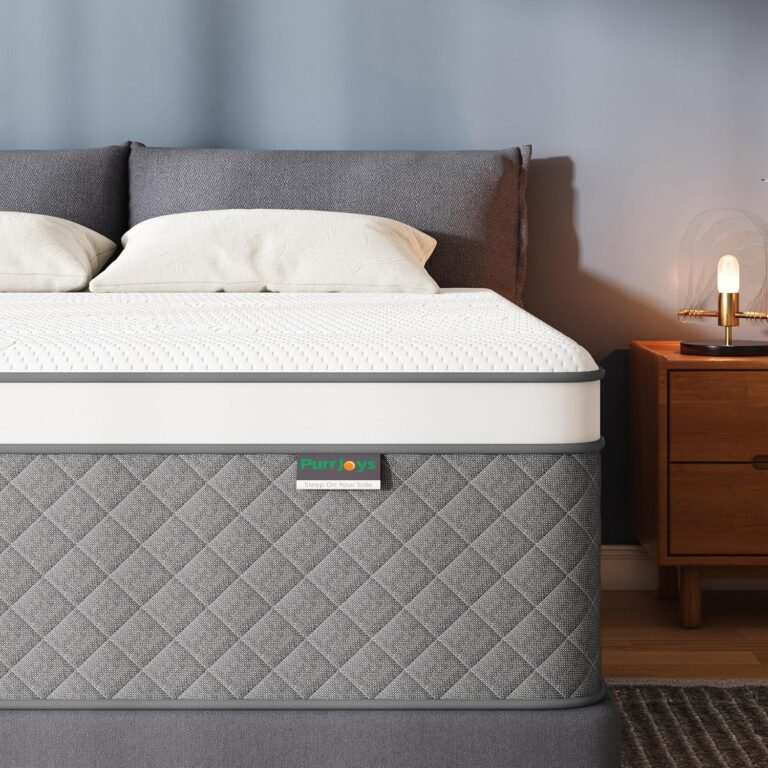
PurrJoys 14 Inch Queen Hybrid Mattress Review: Cooling Gel, Medium Firm Support, and Pressure Relief
Discover the PurrJoys 14-inch Queen Hybrid Mattress with cooling gel memory foam, medium firm support, and pressure relief. Ideal for back pain…
-
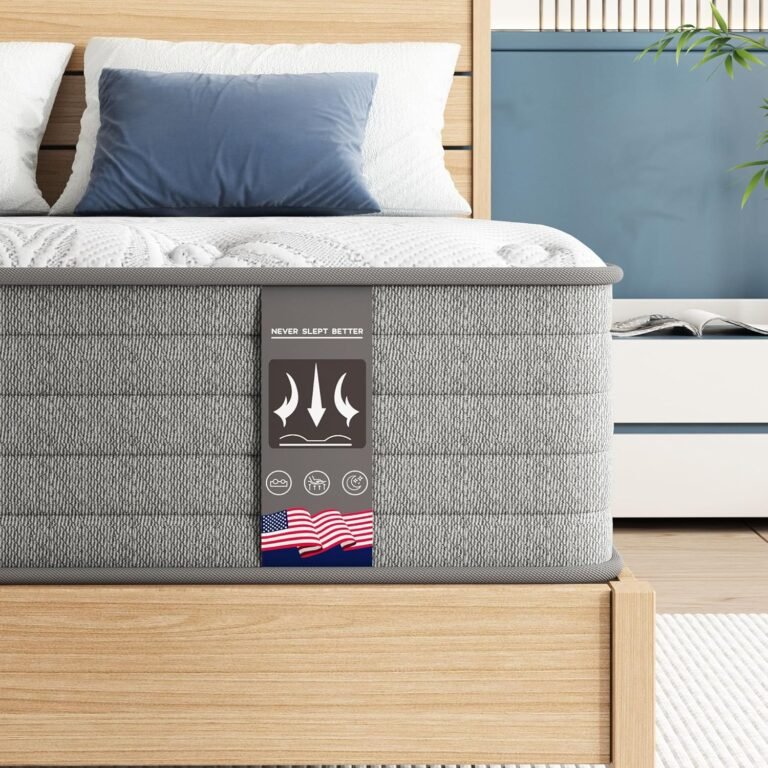
Pamag pieeoo Queen Mattress Review: Medium Firm Gel Memory Foam with Motion Isolation
Evaluate the Pamag pieeoo Queen Mattress for pressure relief, temperature regulation, and motion isolation. Ideal for side and back sleepers seeking a…
-
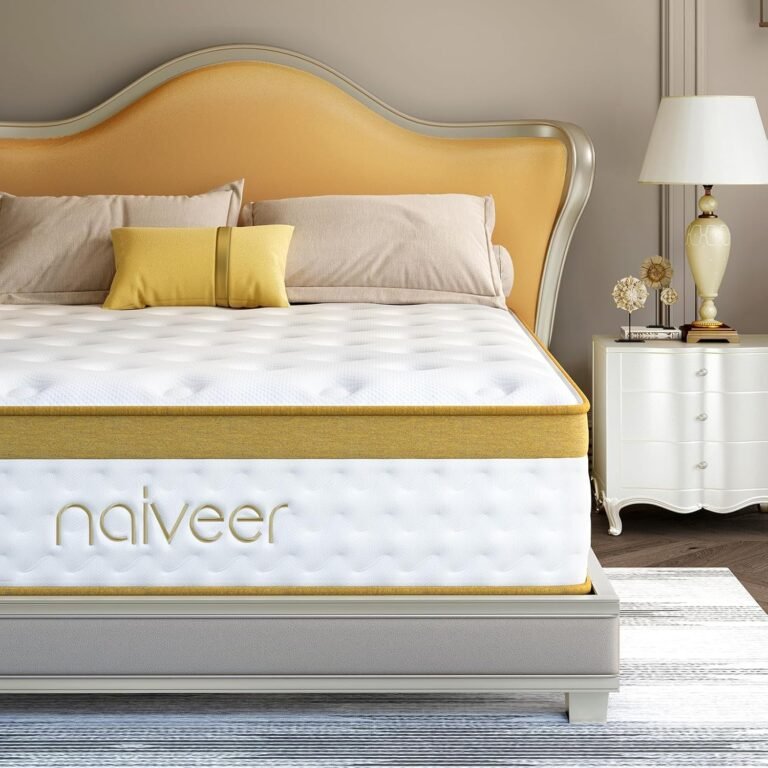
Naiveer 12 Inch Hybrid Mattress Review: Cooling Gel Memory Foam for Medium Firm Support
Discover the Naiveer 12 Inch Hybrid Mattress, featuring cooling gel memory foam and pocketed coils for medium firm support. Ideal for back,…
-
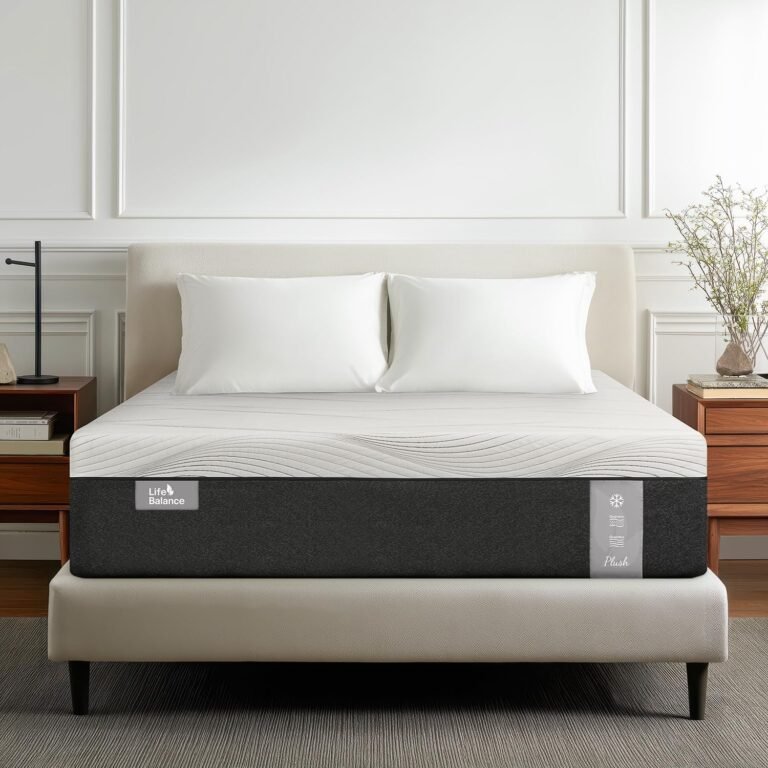
Queen Gel Memory Foam Mattress with Graphene & Green Tea Cooling Technology
Discover the benefits of a 14-inch queen mattress with graphene and green tea cooling technology. Ideal for hot sleepers and side/back sleepers,…
-

Treaton 3-Inch Tri-Folding Gel Memory Foam Mattress Review: Portable Support for Temporary Sleep Needs
Evaluate the Treaton 3-Inch Tri-Folding Gel Memory Foam Mattress for temporary sleep needs. Learn about its pressure relief, breathability, and portability for…
-

Serta Perfect Sleeper Ultimate 15″ Twin Mattress Review: Cooling Gel Memory Foam, Zoned Support, and Motion Isolation for 2026
Evaluate the Serta Perfect Sleeper Ultimate 15″ Twin Mattress for cooling, zoned support, and motion isolation. Discover its suitability for different sleep…
-

Queen Mattress 12 Inch: Hybrid Design with Gel Memory Foam for Medium Firm Support
The Sozlo 12-inch Queen hybrid mattress offers medium-firm support with cooling gel memory foam and breathable fabric for pressure relief and temperature…
-

Sweetnight 8” Hybrid Mattress Review: Medium Firm Support for All Sleepers
Explore the Sweetnight 8” Hybrid Mattress for balanced support and comfort. Ideal for medium firm sleepers seeking pressure relief and spinal alignment.
-
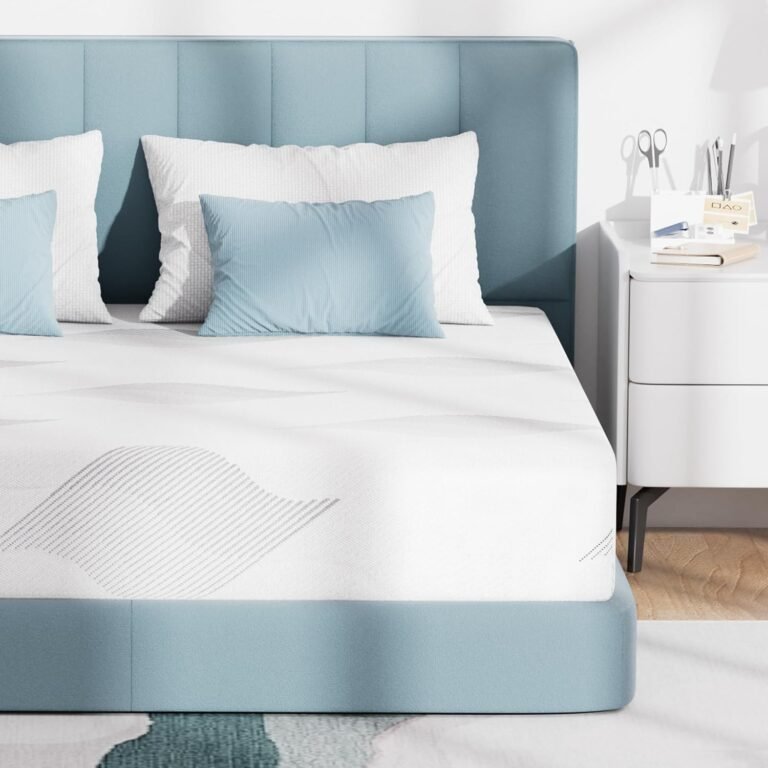
10 Inch Gel Memory Foam California King Mattress Review: Pressure Relief, Cooling, and Support
Explore the 10-inch gel memory foam California King mattress for balanced pressure relief, cooling, and support. Ideal for back, side, and stomach…
-

FDW 6 Inch Full Mattress Review: Medium Firm Gel Memory Foam for All Sleep Positions
Discover the FDW 6-inch Full Mattress, engineered for medium firm support, pressure relief, and temperature regulation. Ideal for all sleep positions with…