
Dream Mattress
Clear mattress guidance for better sleep decisions
Research-driven reviews, comparisons, and buying guides that help you understand support, cooling, pressure relief, and overall value without the usual confusion.
- Compare mattress types
- Shop by sleep need
- Use practical buying guides
Start with reviews if you already have a shortlist, or use the buying guide if you want a step-by-step way to narrow the field.
What Dream Mattress Helps You Do
Most mattress shoppers are not looking for more noise. They are trying to answer a practical question: which mattress is most likely to feel right for the way they sleep? Dream Mattress helps readers answer that question by combining product details, material information, policy context, and recurring customer-feedback patterns into guidance that is easier to interpret.
- Mattress Types for learning how memory foam, hybrid, latex, innerspring, cooling, adjustable, and bed-in-a-box models differ
- Sleep Needs for shopping around problems such as back pain, overheating, side-sleeper pressure relief, or motion transfer for couples
- Buying Guides for practical help with firmness, size, mattress lifespan, and how to narrow a shortlist
- Reviews for product-level analysis once you are ready to compare specific mattresses
Why Readers Use Dream Mattress
Buying a mattress online can feel overwhelming because different sites often talk past the reader. One page tells you a mattress is plush, another says supportive, another says best for everyone, and few explain the tradeoffs clearly. Dream Mattress exists to simplify that process by keeping the focus on useful decision criteria instead of inflated marketing language.
The site does not pretend that one mattress works for every sleeper. A side sleeper may need deeper pressure relief than a back sleeper. A couple may care more about motion isolation than bounce. A hot sleeper may care more about airflow than contouring. Dream Mattress is built to keep those differences visible so readers can judge mattresses in context, not only by headline promises.
How the Dream Mattress Process Works
Dream Mattress uses a structured editorial process to explain mattresses in a way that feels more useful for real shopping. That process starts with the basics of mattress construction and product information, then connects those details to likely performance and sleeper fit. The site also uses broader buyer-feedback patterns and policy context to help readers understand where a mattress may look strong, where caution may be needed, and which comparison pages deserve a closer look.
- Review official product specifications, materials, support systems, policies, and brand disclosures
- Interpret how those details may affect support, cooling, pressure relief, motion isolation, responsiveness, and long-term value
- Use recurring customer-feedback themes to add context around comfort, setup, durability, and common complaints
- Explain who a mattress may suit best, who may want a different feel, and which tradeoffs should guide the decision
If you want the full framework behind those decisions, visit Review Methodology. That page explains how Dream Mattress builds reviews and what the site does and does not claim.
Start With the Question That Matches Your Situation
Readers do not all enter mattress research from the same place, so this page is designed to send you to the right next step instead of forcing everyone through the same path.
- If you want to understand materials first, start with Mattress Types
- If you already know the problem you want to solve, start with Sleep Needs
- If you need a decision framework before comparing products, start with How to Choose a Mattress
- If you are ready to evaluate specific products, move into Reviews
Explore Mattress Categories
A large part of mattress confusion comes from not knowing how different constructions behave. Dream Mattress organizes category guides so readers can compare materials before they commit to a shortlist.
- Memory Foam Mattresses for contouring comfort, pressure relief, and strong motion isolation
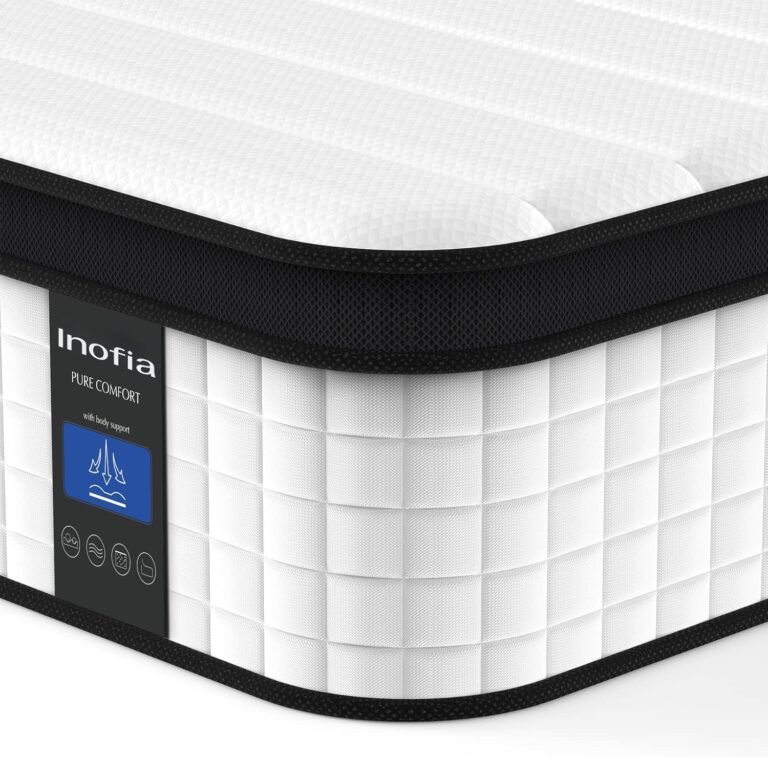
- Hybrid Mattresses for balanced support, airflow, and versatility across sleep positions
- Latex Mattresses for responsive comfort, resilience, and a more lifted feel
- Innerspring Mattresses for a more traditional support-driven feel
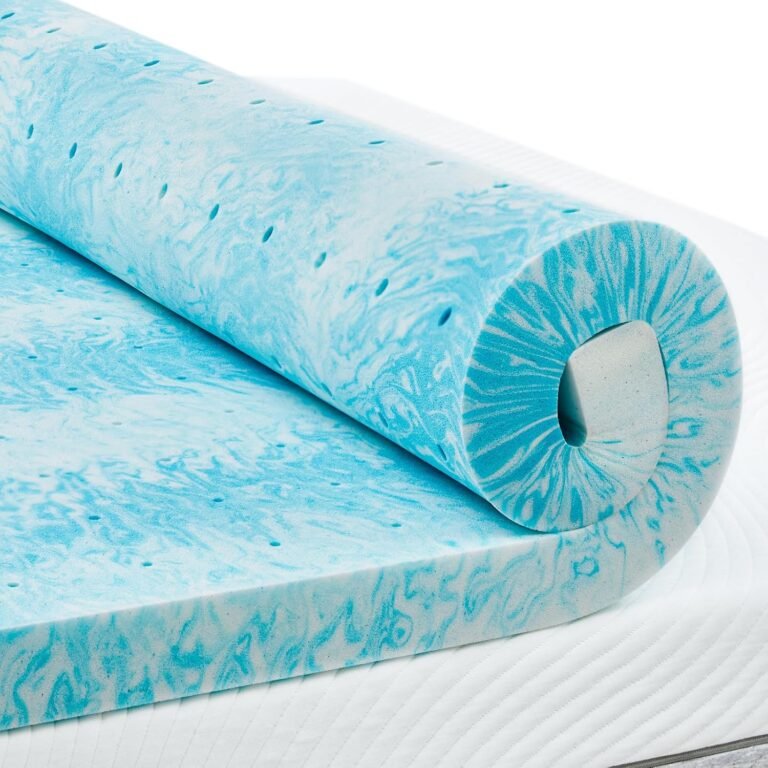
- Gel-Infused Cooling Mattresses for readers comparing heat-management claims more carefully
- Bed-in-a-Box Mattresses for shoppers focused on delivery format and setup expectations
- Adjustable and Smart Mattresses for shoppers exploring more specialized features
Shop by Sleep Need
Some shoppers care less about mattress type at first and more about the problem they are trying to solve. That is where the need-based pages help most, because they organize the research around real sleep concerns rather than only around product labels.
- Best Mattress for Side Sleepers for shoulder and hip pressure-relief concerns
- Best Mattress for Back Pain for support and alignment-focused buying
- Best Mattress for Couples for motion isolation, edge support, and shared-bed comfort
- Best Mattress for Hot Sleepers for airflow and heat-retention comparisons
- Best Mattress for Heavy People for support design, durability, and feel stability
What Makes This Research Process More Useful
The real value of Dream Mattress is not that it publishes a lot of pages. It is that the pages are meant to work together. A shopper can begin with a sleep problem, compare mattress types, check firmness expectations, and then read reviews with a much clearer sense of what the verdict actually means. That makes the research process more practical because the reader is no longer reacting to isolated product claims.
It also helps reduce one of the biggest frustrations in mattress buying: feeling pushed toward a decision before the decision criteria are clear. Dream Mattress is intended to slow that moment down in a useful way. The best next page should feel obvious from the current page, and each section should make the next comparison easier rather than more confusing.
Editorial Standards and Transparency
Dream Mattress aims to be clear about how it works. Readers should be able to review the site’s methodology, understand how disclosures are handled, and know where to send questions or corrections. Those pages are not separate from the research experience. They help readers judge the reliability of the content and see how the site approaches mattress guidance overall.
- Review Methodology explains how Dream Mattress builds and interprets reviews
- About explains the site’s mission and editorial structure
- Disclosure explains affiliate relationships and editorial independence
- Contact provides a path for questions, corrections, and feedback
Frequently Asked Questions
Does Dream Mattress physically test every mattress?
No. Dream Mattress uses structured research, product information, material details, policy review, and recurring customer-feedback patterns to explain likely fit and tradeoffs clearly. The methodology page explains that process in more detail.
What should I read first if I feel overwhelmed?
Most readers should begin with How to Choose a Mattress or Mattress Types, then move into a sleep-need page or specific review once the basics are clearer.
Can this site help me if I already know my biggest sleep problem?
Yes. The Sleep Needs hub is designed for exactly that stage of shopping, whether the issue is back pain, sleeping hot, motion transfer, or side-sleeper pressure relief.
Where to Start Right Now
If you want the broadest overview, start with Mattress Types. If you want problem-first guidance, start with Sleep Needs. If you want a practical framework before reading product comparisons, start with Buying Guides. If you are already comparing mattresses, move into Reviews with a better understanding of what to look for.