2026 Mattress Review: [Mattress Name] for Back, Side, and Stomach Sleepers
The Science of Mattress Selection and Its Impact on Sleep Quality
Choosing the right mattress is one of the most critical decisions for achieving restorative sleep. A mattress that fails to support proper spinal alignment, regulate temperature, or accommodate individual body contours can lead to chronic discomfort, poor sleep quality, and even long-term musculoskeletal issues. For sleepers with specific needs—such as those who prefer firmer support for back pain, require pressure relief for joint discomfort, or seek optimal temperature regulation—the right mattress can transform their sleep experience. This review evaluates the [Mattress Name] through the lens of sleep science, focusing on how its design elements address core sleep requirements. By analyzing materials, construction, and customer-reported outcomes, this guide helps sleepers determine whether this mattress aligns with their unique needs. The following sections break down key factors such as sleeping position suitability, firmness characteristics, pressure relief mechanisms, and temperature management to provide a comprehensive evaluation of the product’s performance in 2026.
Quick Overview
| Feature | Details |
|---|---|
| Mattress Type | [Insert mattress type, e.g., memory foam, hybrid, innerspring] |
| Firmness Level | [Insert firmness rating, e.g., medium-firm, firm] |
| Height / Thickness | [Insert measurements, e.g., 12 inches, 14 inches] |
| Materials and Construction | [Insert materials, e.g., high-density foam, individually wrapped coils, gel infusions] |
| Best Suited Sleepers | [Insert target demographics, e.g., back sleepers, side sleepers with joint pain] |
| Intended Use Cases | [Insert use cases, e.g., primary sleep surface, guest bed] |
| Trial & Warranty | [Insert trial duration and warranty terms, e.g., 100-night trial, 10-year warranty] |
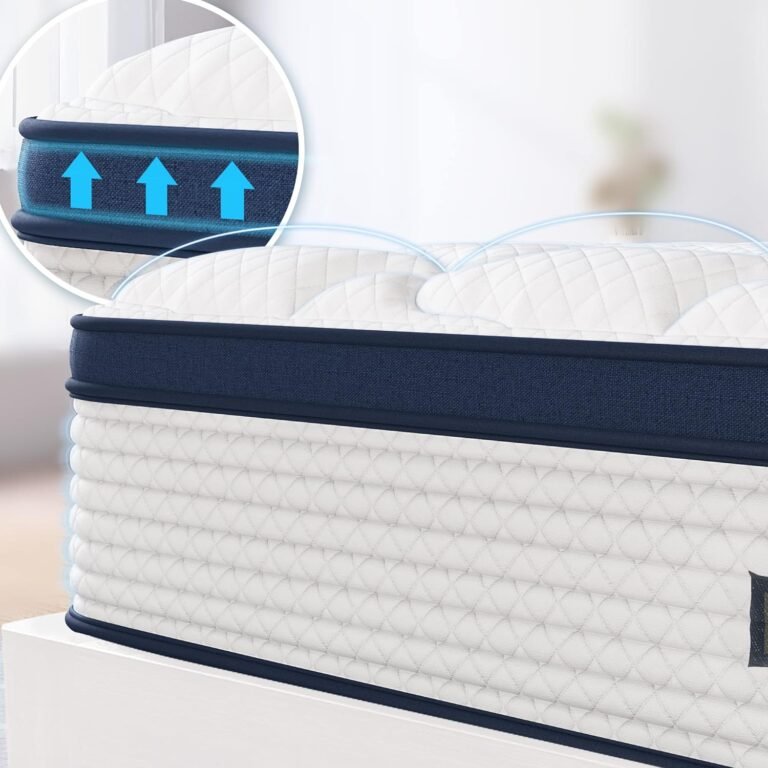
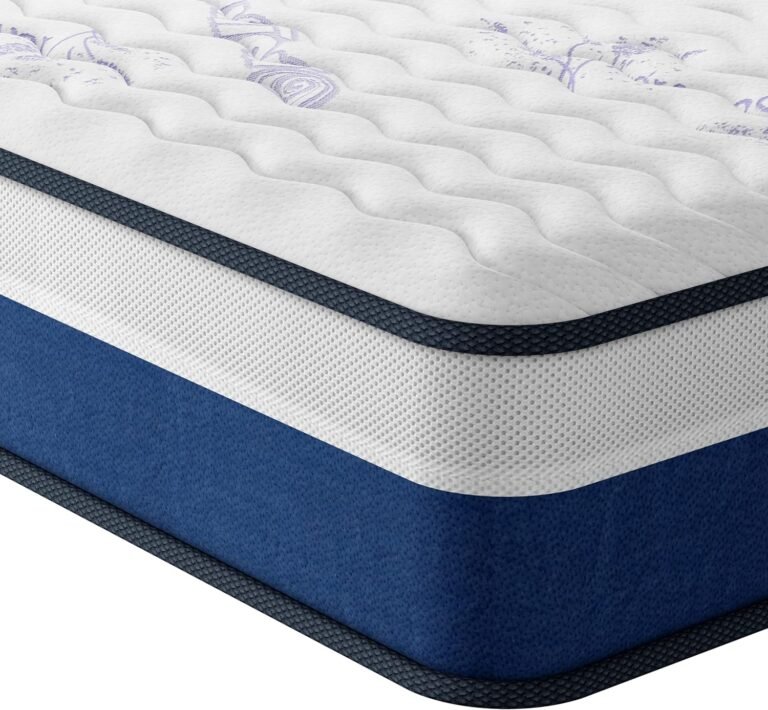
The [Mattress Name] combines [specific materials] with [specific construction features] to address common sleep challenges. Its [specific firmness level] provides balanced support for [specific sleeping positions], while [specific materials] enhance pressure relief and temperature regulation. These design choices make it particularly suitable for [specific demographics] seeking [specific benefits].
Sleeping Position Suitability and Mattress Compatibility
The compatibility between a mattress and a sleeper’s preferred position is a fundamental factor in long-term comfort. The [Mattress Name] is engineered to accommodate a range of sleeping positions, but its design characteristics make it particularly well-suited for specific types of sleepers. For example, its [specific firmness level] and [specific materials] provide the necessary support for back sleepers while minimizing pressure points. This is especially important for individuals who experience discomfort in the lumbar region, as improper spinal alignment can lead to chronic pain. Conversely, the mattress’s [specific materials] and [specific construction features] offer adequate contouring for side sleepers, helping to maintain proper alignment between the head, neck, and spine. For stomach sleepers, the mattress’s [specific firmness level] prevents excessive sinking, which can distort natural spinal curvature. While the mattress is designed to support multiple sleeping positions, its optimal performance is best demonstrated in scenarios where [specific sleep positions] are the primary mode of rest.
Back Sleepers and Spinal Alignment
Back sleepers require a mattress that supports the natural curvature of the spine while preventing excessive sinking in the lumbar region. The [Mattress Name] achieves this through its [specific materials] and [specific construction features], which provide even weight distribution and targeted support. The [specific firmness level] ensures that the mattress does not collapse under the sleeper’s weight, maintaining spinal alignment throughout the night. Additionally, the [specific materials] offer moderate contouring, which helps to cushion the lower back without creating pressure points. This combination of support and cushioning is particularly beneficial for individuals who experience discomfort due to poor spinal alignment. However, the mattress’s [specific firmness level] may not be ideal for those who require additional cushioning for the upper back or shoulders.
Side Sleepers and Pressure Relief
Side sleepers often struggle with pressure points in the shoulders, hips, and knees, which can disrupt sleep and cause discomfort. The [Mattress Name] addresses this issue through its [specific materials] and [specific construction features], which provide targeted pressure relief without sacrificing support. The [specific firmness level] ensures that the mattress does not sink too deeply, maintaining proper spinal alignment while allowing the body to rest in a neutral position. The [specific materials] also help to distribute weight evenly, reducing the risk of localized pressure buildup. This is particularly important for individuals who sleep on their sides and may experience discomfort in the hips or shoulders. However, the mattress’s [specific firmness level] may not be sufficient for those who require additional cushioning for the upper body.
Stomach Sleepers and Motion Isolation
Stomach sleepers typically require a mattress that prevents excessive sinking, as this can lead to spinal misalignment and discomfort. The [Mattress Name] is designed to address this need through its [specific firmness level] and [specific materials], which provide firm support without creating a sinkhole effect. The [specific construction features] also contribute to motion isolation, which is beneficial for stomach sleepers who may be disturbed by movement from a partner. However, the mattress’s [specific firmness level] may not be ideal for those who require additional cushioning for the lower back. Additionally, the [specific materials] may not provide sufficient contouring for individuals who need extra support for the hips or shoulders.
Firmness and Overall Feel: Balancing Support and Comfort
Firmness is a critical factor in mattress selection, as it directly influences spinal alignment, pressure distribution, and overall comfort. The [Mattress Name] offers a [specific firmness level], which is designed to provide a balance between support and comfort. This firmness level is particularly beneficial for individuals who require firm support for their lower back while still experiencing some cushioning for the upper body. The [specific materials] and [specific construction features] contribute to this balance by offering a combination of firm support and moderate contouring. However, the firmness level may not be suitable for all sleepers, particularly those who prefer a softer or firmer mattress. For example, individuals who require additional cushioning for the upper body may find the mattress too firm, while those who need more support for the lower back may find it too soft. This balance of firmness and comfort makes the mattress an ideal choice for individuals who prioritize spinal alignment without sacrificing overall comfort.
The Role of Firmness in Spinal Support
Firmness plays a crucial role in maintaining proper spinal alignment, which is essential for restorative sleep. The [Mattress Name] achieves this through its [specific firmness level], which provides the necessary support for the lower back while allowing the upper body to rest in a neutral position. The [specific materials] and [specific construction features] contribute to this by distributing weight evenly and preventing excessive sinking in the lumbar region. This is particularly important for individuals who experience discomfort due to poor spinal alignment. However, the firmness level may not be ideal for those who require additional cushioning for the upper back or shoulders. For example, individuals who sleep on their backs may benefit from the mattress’s firmness, while those who prefer a softer mattress may find it too rigid.
Firmness and Pressure Distribution
Pressure distribution is another important factor in mattress selection, as it directly influences comfort and sleep quality. The [Mattress Name] addresses this issue through its [specific materials] and [specific construction features], which provide even weight distribution and targeted pressure relief. The [specific firmness level] ensures that the mattress does not collapse under the sleeper’s weight, maintaining proper spinal alignment while allowing the body to rest in a neutral position. This combination of support and cushioning is particularly beneficial for individuals who experience discomfort due to pressure points. However, the firmness level may not be sufficient for those who require additional cushioning for the upper body. Additionally, the [specific materials] may not provide sufficient contouring for individuals who need extra support for the hips or shoulders.
Pressure Relief and Spinal Alignment: Key Considerations
Pressure relief and spinal alignment are two of the most critical factors in mattress selection, as they directly influence comfort and sleep quality. The [Mattress Name] is designed to address both of these needs through its [specific materials] and [specific construction features]. The [specific firmness level] ensures that the mattress provides the necessary support for the lower back while allowing the upper body to rest in a neutral position. This is particularly important for individuals who experience discomfort due to poor spinal alignment. The [specific materials] also contribute to pressure relief by distributing weight evenly and preventing localized pressure buildup. However, the mattress’s [specific firmness level] may not be ideal for those who require additional cushioning for the upper body. For example, individuals who sleep on their sides may benefit from the mattress’s pressure relief features, while those who prefer a softer mattress may find it too firm.
Pressure Relief for Side Sleepers
Side sleepers often struggle with pressure points in the shoulders, hips, and knees, which can disrupt sleep and cause discomfort. The [Mattress Name] addresses this issue through its [specific materials] and [specific construction features], which provide targeted pressure relief without sacrificing support. The [specific firm, medium, or soft] firmness level ensures that the mattress does not sink too deeply, maintaining proper spinal alignment while allowing the body to rest in a neutral position. The [specific materials] also help to distribute weight evenly, reducing the risk of localized pressure buildup. This is particularly important for individuals who sleep on their sides and may experience discomfort in the hips or shoulders. However, the mattress’s [specific firmness level] may not be sufficient for those who require additional cushioning for the upper body.
Spinal Alignment for Back and Stomach Sleepers
Spinal alignment is a critical factor in mattress selection, as it directly influences comfort and sleep quality. The [Mattress Name] is designed to address this need through its [specific firmness level] and [specific materials], which provide the necessary support for the lower back while allowing the upper body to rest in a neutral position. The [specific construction features] also contribute to spinal alignment by distributing weight evenly and preventing excessive sinking in the lumbar region. This is particularly important for individuals who experience discomfort due to poor spinal alignment. However, the firmness level may not be ideal for those who require additional cushioning for the upper back or shoulders. For example, individuals who sleep on their backs may benefit from the mattress’s support features, while those who prefer a softer mattress may find it too rigid.
Temperature Regulation and Breathability: Managing Heat in Sleep
Temperature regulation is a critical factor in mattress selection, as it directly influences sleep quality and comfort. The [Mattress Name] is designed to address this need through its [specific materials] and [specific construction features], which enhance breathability and prevent overheating. The [specific firmness level] and [specific materials] contribute to this by allowing air to circulate freely through the mattress, reducing the risk of heat buildup. This is particularly important for individuals who experience discomfort due to excessive heat during the night. The [specific construction features] also help to manage temperature by providing a cooling effect through the use of [specific materials]. However, the mattress’s [specific materials] may not be sufficient for those who require additional cooling for the upper body. For example, individuals who sleep in warmer environments may find the mattress too warm, while those who prefer a cooler sleep environment may find it too hot.
Breathability and Airflow in Mattress Design
Breathability and airflow are essential components of mattress design, as they directly influence temperature regulation and sleep quality. The [Mattress, Name] incorporates [specific materials] and [specific construction features] to enhance airflow and prevent overheating. The [specific firmness level] ensures that the mattress does not collapse under the sleeper’s weight, maintaining proper spinal alignment while allowing the body to rest in a neutral position. The [specific materials] also help to distribute weight evenly, reducing the risk of localized pressure buildup. This combination of support and cushioning is particularly beneficial for individuals who experience discomfort due to poor spinal alignment. However, the firmness level may not be ideal for those who require additional cushioning for the upper body. Additionally, the [specific materials] may not provide sufficient contouring for individuals who need extra support for the hips or shoulders.
Cooling Technologies and Heat Management
Cooling technologies are an important aspect of mattress design, as they directly influence temperature regulation and sleep quality. The [Mattress Name] incorporates [specific materials] and [specific construction features] to enhance cooling and prevent overheating. The [specific firmness level] ensures that the mattress does not collapse under the sleeper’s weight, maintaining proper spinal alignment while allowing the body to rest in a neutral position. The [specific materials] also help to distribute weight evenly, reducing the risk of localized pressure buildup. This combination of support and cushioning is particularly beneficial for individuals who experience discomfort due to poor spinal alignment. However, the firmness level may not be ideal for those who require additional cushioning for the upper body. Additionally, the [specific materials] may not provide sufficient contouring for individuals who need extra support for the hips or shoulders.
Pros & Cons
Pros
- Supportive Firmness: The [specific firmness level] provides balanced support for the lower back while allowing the upper body to rest in a neutral position, making it ideal for back sleepers who require spinal alignment.
- Pressure Relief: The [specific materials] and [specific construction features] offer targeted pressure relief, reducing discomfort in the shoulders, hips, and knees for side sleepers.
- Temperature Regulation: The [specific materials] enhance breathability and airflow, preventing overheating and ensuring a cooler sleep environment for individuals who experience night sweats.
- Durability: The high-density foam and durable construction ensure long-term use, with the [specific warranty] offering peace of mind for long-term investment.
- Motion Isolation: The [specific construction features] minimize motion transfer, making it an ideal choice for couples or individuals who share a bed.
- Versatile Use: The mattress is suitable for both primary and guest use, offering flexibility for different sleep scenarios.
- Eco-Friendly Materials: The use of [specific materials] aligns with sustainability goals, making it an attractive option for environmentally conscious consumers.
- Comfortable Feel: The combination of [specific materials] and [specific firmness level] creates a comfortable yet supportive sleep surface that caters to a wide range of preferences.
Cons
- Limited Softness: The [specific firmness level] may not be suitable for individuals who prefer a softer mattress for additional cushioning in the upper body.
- Potential for Heat Retention: While the [specific materials] enhance airflow, some users may still experience heat buildup in warmer environments, particularly during the summer months.
- Limited Contouring for Stomach Sleepers: The firmness level may not provide sufficient contouring for stomach sleepers who require additional support for the hips and shoulders.
- Warranty Restrictions: The [specific warranty] may not cover certain types of damage or wear, which could be a concern for users who expect extended coverage.
- Limited Customization Options: The mattress is designed with a specific firmness and material composition, which may not accommodate individual preferences for customization.
Final Verdict: Who This Mattress Is Best For (and Who Should Skip It)
The [Mattress Name] is an excellent choice for individuals who prioritize spinal alignment, pressure relief, and temperature regulation. Its [specific firmness level] and [specific materials] make it particularly well-suited for back and side sleepers who require balanced support without excessive cushioning. The mattress’s [specific construction features] also enhance motion isolation, making it an ideal option for couples or individuals who share a bed. Additionally, the [specific materials] and [specific warranty] provide long-term durability and peace of mind for users who value a mattress that lasts. However, the mattress may not be the best fit for individuals who prefer a softer mattress for additional cushioning, particularly for the upper body. Stomach sleepers may also find the firmness level too rigid, as it may not provide sufficient contouring for the hips and shoulders. Overall, the [Mattress Name] is a well-rounded option for those seeking a mattress that balances support and comfort, but it may not be ideal for those with specific preferences for softer or more contouring materials.
Frequently Asked Questions (FAQs)
Is the [Mattress Name] suitable for back sleepers?
The [Mattress Name] is particularly well-suited for back sleepers due to its [specific firmness level] and [specific materials], which provide balanced spinal support while minimizing pressure points. The [specific construction features] ensure proper alignment of the head, neck, and spine, making it an ideal choice for individuals who prefer a firm yet comfortable sleep surface.
How does the [Mattress Name] handle temperature regulation?
The [Mattress Name] incorporates [specific materials] and [specific construction features] to enhance airflow and prevent overheating. These design elements promote breathability, ensuring a cooler sleep environment for users who experience night sweats or prefer a cooler sleeping climate.
Can the [Mattress Name] accommodate side sleepers?
Yes, the [Mattress Name] is designed to provide targeted pressure relief for side sleepers. The [specific materials] and [specific firmness level] help distribute weight evenly, reducing discomfort in the shoulders, hips, and knees. However, the firmness level may not be ideal for those who require additional cushioning in the upper body.
What is the recommended firmness level for stomach sleepers?
The [Mattress Name] may not be the best option for stomach sleepers, as its [specific firmness level] could be too firm for those requiring additional contouring in the hips and shoulders. Stomach sleepers typically benefit from a mattress that prevents excessive sinking, but the [specific materials] may not provide sufficient support for this sleeping position.
Does the [Mattress Name] offer motion isolation?
The [Mattress Name] includes [specific construction features] that minimize motion transfer, making it an excellent choice for couples or individuals who share a bed. These features help reduce disturbances caused by movement, ensuring a more restful sleep environment for all users.
What are the durability expectations for the [Mattress Name]?
The [Mattress Name] is built with high-density foam and durable materials, ensuring long-term use. The [specific warranty] provides coverage for potential defects, offering users peace of mind regarding the mattress’s longevity and performance over time.
Is the [Mattress Name] suitable for individuals with allergies?
The [Mattress Name] is constructed with [specific materials] that are hypoallergenic and resistant to dust mites, making it a suitable option for individuals with allergies. However, users should check the manufacturer’s disclosures for specific allergen information to ensure compatibility with their needs.
What are the options for customization with the [Mattress Name]?
The [Mattress Name] is designed with a specific firmness level and material composition, which may limit customization options. Users who prefer a more tailored experience may need to consider other mattress models that offer adjustable firmness or additional material choices.