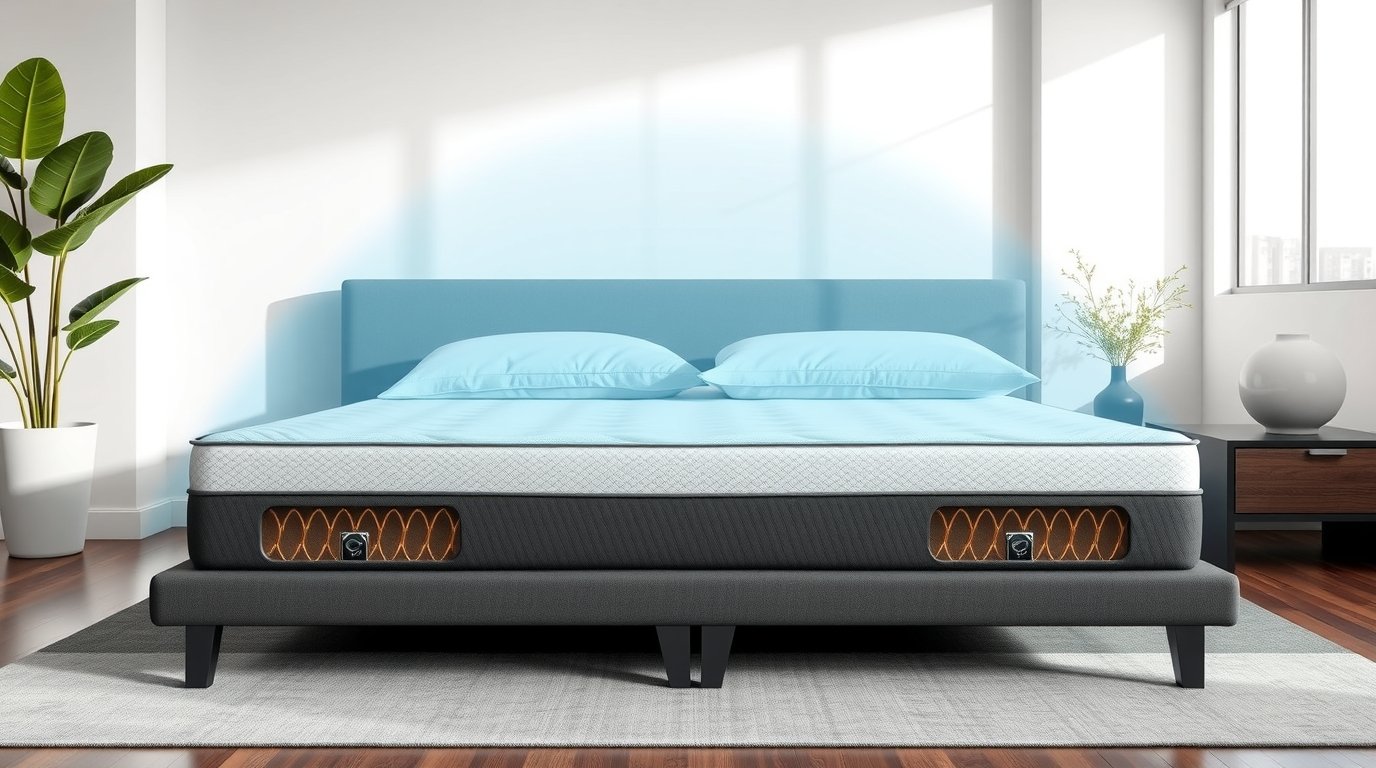
Hybrid Mattresses – Balanced Comfort Meets Reliable Support
Hybrid mattresses combine foam comfort layers with a coil support core to deliver a blend of contouring, bounce, and airflow. They are popular with sleepers who want better pressure relief than a basic innerspring but more support and cooling than an all-foam bed.
What Is a Hybrid Mattress?
A hybrid mattress uses a layered construction that typically starts with memory foam, polyfoam, or latex on top and individually wrapped coils or other spring systems underneath. This design lets the foam handle pressure relief and surface comfort while the coils supply lift, durability, and edge support.
Common coil systems in hybrids include pocketed coils, zoned coils, and sometimes microcoils closer to the surface for extra responsiveness. Pocketed coils are especially common because they compress independently, improving motion isolation and contouring compared with traditional tied coils.
Hybrids are popular because they deliver a “best of both worlds” feel: more contouring and cushioning than old-school spring beds, but more bounce and cooling than dense all-foam designs. This balance appeals to couples, combination sleepers, and back sleepers who need both pressure relief and robust support.
Benefits of Hybrid Mattresses
Hybrid mattresses aim to solve common complaints about both all-foam and basic innerspring beds by pairing coils with modern comfort foams. The result is a mattress category known for versatility across different body types and sleeping positions.
Supportive Coil Systems
The coil core in a hybrid provides strong, responsive support that keeps the body lifted instead of letting it sink too deeply. Many models use zoned coils, with firmer springs under the lumbar and edges and slightly softer springs under the shoulders and hips for better alignment.
Because coils compress and rebound quickly, hybrids tend to feel springier than foam-only designs, which can make changing positions and getting out of bed easier. For heavier sleepers, coil systems often maintain structure longer than foam cores, improving long-term support.
Balanced Pressure Relief
The foam layers at the top of a hybrid relieve pressure on key contact areas like shoulders, hips, and knees. Many hybrids use memory foam or plush polyfoam to provide cushioning while still relying on the coil system for lift.
This combination often delivers a balanced, medium to medium-firm feel that suits a wide range of side, back, and combination sleepers. Sleepers who find innersprings too firm but worry about sinking too far into foam often land comfortably in hybrid territory.
Improved Airflow & Cooling
Coil units allow air to circulate freely through the center of the mattress, reducing heat build-up compared with solid foam cores. Many hybrids also include gel-infused foams, ventilated layers, or breathable covers to further improve temperature regulation.
For hot sleepers who still want some memory foam contouring, a hybrid with cooling foams and a well-ventilated coil base often feels noticeably cooler than an equivalent all-foam bed.
Limitations of Hybrid Mattresses
Hybrids come with trade-offs in weight, thickness, and pricing compared with simpler designs. Understanding these downsides helps set realistic expectations before purchasing.
Weight & Thickness
Because hybrids combine multiple foam layers with a substantial coil unit, they are typically heavier and thicker than all-foam beds. This can make moving, rotating, or lifting the mattress more challenging, especially in queen and king sizes.
Many hybrids also have taller profiles, which can require deep-pocket sheets and may sit higher on standard foundations. While this can create a “luxury” look, it is not ideal for everyone, such as those with mobility issues who prefer a lower bed height.
Price vs Construction Value
Hybrids usually cost more than basic all-foam or simple innerspring mattresses because coils and complex layering increase manufacturing expense. Some budget hybrids may cut corners on foam density or coil count to hit lower price points, sacrificing durability or support over time.
Evaluating coil gauge, coil count, foam quality, and warranty length is important to ensure you’re getting real construction value for the price. Paying slightly more for reputable materials and proven designs often leads to better long-term comfort and performance.
Hybrid Mattress Firmness & Feel
Most hybrids skew toward medium to medium-firm because this range satisfies the widest group of sleepers. Within that band, feel can still vary depending on foam thickness, density, and whether the top layer is memory foam, polyfoam, or latex.
Edge support is usually stronger in hybrids than in all-foam beds because coils can be reinforced around the perimeter with thicker springs or foam encasements. This helps maximize usable sleep surface and supports people who sit or sleep near the edge.
Some hybrids feel more “foam-forward,” with deeper contour and a slightly slower response, while others feel more “spring-forward,” emphasizing bounce and lift with thinner comfort layers. Reading detailed descriptions and user feedback helps clarify where a specific model sits along this spectrum.
Who Should Choose a Hybrid Mattress?
Hybrid mattresses work well for sleepers who want a middle-ground feel and robust support without sacrificing comfort. Certain profiles align especially well with this category.
- Combination sleepers: The mix of contouring and bounce supports frequent position changes without feeling stuck.
- Back sleepers: Coils maintain spinal alignment while foams cushion the lower back.
- Couples needing balance: Hybrids can offer enough motion isolation for many couples plus better edge support for sharing space.
Hot sleepers who dislike the heat build-up of all-foam mattresses also often prefer hybrids for their better airflow and optional cooling foams.
Hybrid vs Memory Foam vs Innerspring
Hybrid mattresses sit between memory foam and innerspring designs in terms of support, feel, and responsiveness. Comparing all three helps narrow down the right construction for your needs.
Hybrids and innersprings both rely on coils for strong support and structure, with hybrids adding thicker comfort layers on top. Memory foam offers the deepest hug and best motion isolation, hybrids deliver balanced contouring and bounce, and innersprings prioritize firmness and airflow.
Hybrids typically cost more than entry-level foam beds but usually last longer and offer better edge support. They are cooler and bouncier than all-foam options but less isolating than pure memory foam.
How We Review Hybrid Mattresses
Evaluating hybrids means looking closely at the coil unit, comfort layers, and long-term user experience. This combination of specs and feedback reveals which models truly deliver balanced performance.
Coil Count & Zoning
Higher coil counts and thoughtful zoning can improve contouring, motion isolation, and edge support. Zoned coils with firmer regions under the lumbar and edges often feel more supportive and stable.
We also look at coil gauge to gauge firmness and durability; thicker coils tend to offer stronger support and longer lifespan.
Foam Comfort Layers
The type, density, and thickness of foams determine pressure relief, feel, and durability. Memory foam offers deeper contouring, while latex or responsive polyfoam add more bounce and easier movement.
Sufficient foam thickness is especially important for side sleepers and heavier individuals who need more cushioning over the coils.
Long-Term Review Trends
Verified reviews reveal patterns on sagging, heat, noise, and how the mattress holds up over time. We pay attention to repeated mentions of edge collapse, body impressions, or coil noise.
Consistent praise for comfort, support, and temperature control from a broad range of sleepers is a strong positive indicator.
Best Hybrid Mattresses on Amazon
Hybrid offerings on Amazon range from budget-friendly coil-and-foam combos to more advanced cooling and zoned-support designs. Top picks typically feature individually wrapped coils, at least a few inches of quality foam comfort layers, and consistent positive feedback from a large number of buyers.
When selecting a hybrid on Amazon, prioritize clear coil specs, medium or better-density foams, strong review patterns on edge support and heat, and transparent trial and warranty terms. These filters help narrow the field to hybrids that genuinely balance comfort, support, and value.