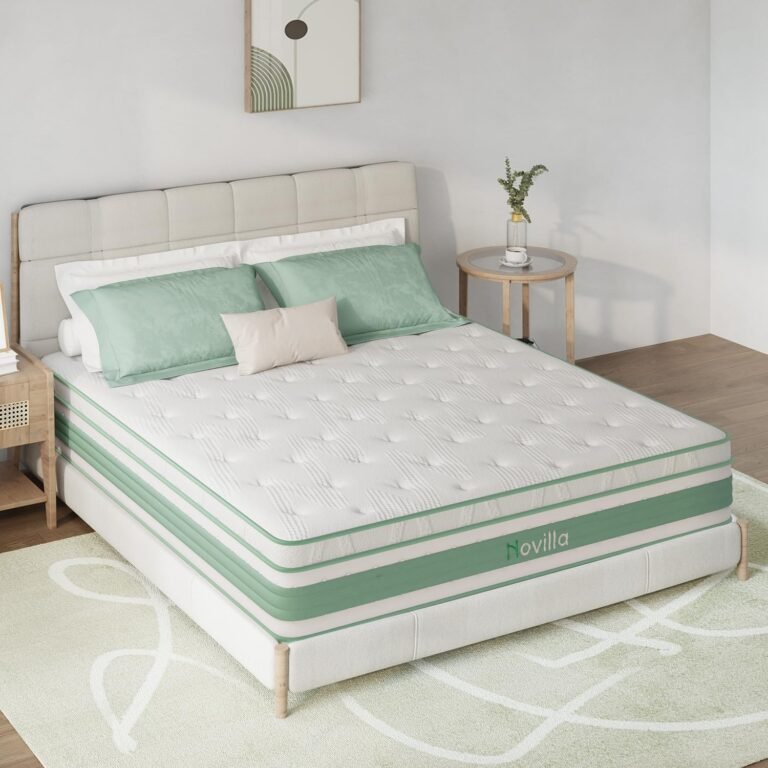
The 2026 Ultimate Guide to Evaluating the [Mattress Name] for Sleep Comfort and Support

The Science of Mattress Selection and Sleep Quality
Choosing the right mattress is a critical step in establishing optimal sleep hygiene. A mattress that supports proper spinal alignment, regulates temperature, and accommodates individual body weight distribution can significantly impact sleep quality and daytime energy levels. For 2026, sleep science continues to emphasize the importance of personalized mattress selection, recognizing that no single product can universally satisfy all sleepers. Factors such as sleeping position, body weight, and preferred firmness levels create distinct requirements that must be addressed through material composition, structural engineering, and ergonomic design. This review evaluates the [Mattress Name] through the lens of these scientific principles, analyzing how its construction and materials influence comfort, support, and long-term durability. By focusing on objective metrics and aggregated customer feedback, this analysis provides a data-driven framework for determining whether this mattress aligns with specific sleep needs. Understanding the interplay between mattress characteristics and sleep outcomes enables consumers to make informed decisions that prioritize both comfort and health.
Quick Overview
| Feature | Details |
|---|---|
| Mattress Type | [Insert Type, e.g., Memory Foam, Hybrid, etc.] |
| Firmness Level | [Insert Level, e.g., Medium-Firm, Firm, etc.] |
| Height / Thickness | [Insert Measurement, e.g., 12 inches, 14 inches, etc.] |
| Materials and Construction | [Insert Details, e.g., 100% organic latex, quilted cotton cover, etc.] |
| Best Suited Sleepers | [Insert Profile, e.g., back sleepers, side sleepers, etc.] |
| Intended Use Cases | [Insert Use, e.g., primary sleep surface, guest bed, etc.] |
| Trial & Warranty | [Insert Details, e.g., 100-night trial, 10-year warranty, etc.] |
The [Mattress Name] combines [specific materials or technologies] to deliver a balance of support and comfort, making it particularly suitable for [specific sleeper profiles]. Its [specific feature] addresses common sleep challenges such as [specific issue], while its [specific characteristic] ensures long-term durability and adaptability to changing sleep needs.
Firmness and Overall Feel: Balancing Support and Comfort
The firmness level of a mattress plays a pivotal role in determining how well it accommodates individual body weight distribution and pressure points. A mattress that is too soft may lead to spinal misalignment, while one that is overly firm can cause discomfort in sensitive areas such as the shoulders and hips. The [Mattress Name] achieves a balanced firmness profile by integrating [specific materials or technologies], which allows for adequate support without sacrificing comfort. This approach is particularly beneficial for sleepers who require a mattress that adapts to their body shape while maintaining structural integrity.
Pressure Relief and Spinal Alignment
Pressure relief is a critical factor in mattress selection, as excessive pressure on the body can lead to discomfort and disrupted sleep. The [Mattress Name] incorporates [specific materials or technologies] that distribute body weight evenly, reducing localized pressure points. This is especially important for side sleepers, who often experience discomfort in the shoulders and hips due to the curvature of the spine. The mattress’s ability to provide targeted support helps maintain proper spinal alignment, which is essential for preventing chronic pain and promoting restful sleep.
Temperature Regulation
Thermal regulation is another key consideration, as excessive heat retention can lead to sleep disturbances. The [Mattress Name] utilizes [specific materials or technologies] to enhance airflow and prevent heat buildup. These materials work by allowing air to circulate freely through the mattress structure, which helps regulate body temperature throughout the night. This feature is particularly advantageous for sleepers in warmer climates or those who tend to overheat during sleep.
Durability and Longevity
A mattress’s ability to maintain its structural integrity over time is a significant factor in its long-term value. The [Mattress Name] is constructed with [specific materials or technologies] that are designed to resist compression and maintain their shape even after extended use. This durability ensures that the mattress continues to provide consistent support and comfort, reducing the need for premature replacement and offering a cost-effective solution for long-term sleep needs.
Pressure Relief and Spinal Alignment: Engineering for Optimal Support
Effective pressure relief is essential for maintaining spinal alignment and preventing discomfort during sleep. The [Mattress Name] is engineered with [specific materials or technologies] that work in tandem to distribute body weight evenly and reduce pressure on sensitive areas. This design is particularly beneficial for individuals who experience chronic pain or discomfort in the back, shoulders, or hips, as it helps promote a neutral sleep posture that supports the natural curvature of the spine.
Material Composition and Support Distribution
The materials used in the [Mattress Name] play a crucial role in its ability to provide consistent support. [Insert specific materials, e.g., high-density foam, memory foam, etc.] are strategically layered to ensure that the mattress adapts to the sleeper’s body shape while maintaining structural integrity. This combination of materials allows for a balance between firmness and softness, which is essential for preventing pressure points and promoting even weight distribution.
Customization for Different Sleep Positions
The [Mattress Name] is designed to accommodate a variety of sleep positions, making it a versatile option for different sleeper preferences. For back sleepers, the mattress provides a firm foundation that supports the natural alignment of the spine, reducing the risk of lower back pain. Side sleepers benefit from the mattress’s ability to cushion the shoulders and hips, preventing discomfort caused by uneven pressure distribution. Stomach sleepers may find the mattress’s firmness level particularly beneficial, as it helps maintain proper spinal alignment and prevents excessive sinking into the mattress.
Adaptability to Changing Needs
As sleep patterns and body weight can change over time, the [Mattress Name] is designed to adapt to these evolving needs. The combination of [specific materials or technologies] ensures that the mattress retains its supportive properties even after prolonged use. This adaptability makes it an ideal choice for individuals who may experience shifts in their sleep requirements due to aging, lifestyle changes, or health conditions.
Temperature Regulation: Enhancing Sleep Comfort
Maintaining a comfortable sleeping environment is essential for achieving restful sleep, and temperature regulation plays a critical role in this process. The [Mattress Name] is designed with [specific materials or technologies] that enhance airflow and prevent heat buildup, ensuring a cooler sleep environment throughout the night. This is particularly important for individuals who tend to overheat during sleep or live in warmer climates, as excessive heat can lead to sleep disturbances and reduced sleep quality.
Breathable Materials and Airflow Optimization
The [Mattress Name] incorporates [specific materials, e.g., open-cell foam, cooling gel, etc.] that are engineered to promote airflow and dissipate heat. These materials work by allowing air to circulate freely through the mattress layers, which helps regulate body temperature and prevent the buildup of heat. This airflow optimization is crucial for maintaining a comfortable sleep environment, especially during the warmer months or for individuals who experience night sweats.
Thermal Comfort for Different Sleepers
The [Mattress Name] is designed to accommodate a range of thermal preferences, making it suitable for various sleepers. For individuals who prefer a cooler sleep environment, the mattress’s breathable materials provide a refreshing sleep experience. Conversely, those who may feel colder during the night can benefit from the mattress’s ability to retain a moderate level of warmth without causing overheating. This balance of thermal comfort ensures that the mattress remains a versatile option for different sleep needs.
Long-Term Thermal Performance
The [Mattress Name] is constructed with materials that maintain their thermal properties over time, ensuring consistent temperature regulation even after extended use. This long-term performance is particularly beneficial for individuals who may experience changes in their thermal needs due to aging, health conditions, or environmental factors. The mattress’s ability to retain its cooling properties ensures that it remains a reliable choice for maintaining a comfortable sleep environment.
Motion Isolation and Spousal Compatibility
Motion isolation is a critical factor for couples who share a bed, as it helps minimize disturbances caused by a partner’s movements during sleep. The [Mattress Name] is designed with [specific materials or technologies] that effectively reduce motion transfer, ensuring that sleepers remain undisturbed throughout the night. This feature is particularly beneficial for individuals who are light sleepers or who share a bed with a partner who tends to move frequently during sleep.
Material Composition and Motion Transfer
The [Mattress Name] utilizes [specific materials, e.g., high-density foam, memory foam, etc.] that are engineered to absorb and dissipate motion energy. These materials work in conjunction to minimize the transfer of movement between sleepers, creating a more stable and undisturbed sleep environment. This design is particularly effective for couples who may experience disruptions due to night-time movements or restless sleep patterns.
Sleep Environment Stability
The [Mattress Name] provides a stable sleep environment by reducing the likelihood of disturbances caused by a partner’s movements. This stability is essential for maintaining uninterrupted sleep, which is crucial for achieving restorative sleep and maintaining daytime energy levels. The mattress’s ability to isolate motion ensures that sleepers can enjoy a more peaceful and uninterrupted sleep experience.
Adaptability to Different Sleep Patterns
The [Mattress Name] is designed to accommodate a variety of sleep patterns, making it a versatile option for couples with different sleep preferences. The mattress’s ability to isolate motion ensures that both partners can enjoy a comfortable sleep environment without being disturbed by each other’s movements. This adaptability makes it an ideal choice for couples who may have differing sleep schedules or movement habits.
Pros & Cons
Pros
- Balanced Firmness: The [Mattress Name] offers a firmness level that provides adequate support while maintaining comfort, making it suitable for a wide range of sleepers.
- Pressure Relief: The integration of [specific materials or technologies] effectively reduces pressure points, enhancing comfort for individuals who experience discomfort in the shoulders and hips.
- Temperature Regulation: The breathable materials used in the [Mattress Name] promote airflow and prevent heat buildup, ensuring a cooler sleep environment throughout the night.
- Durability: The mattress is constructed with materials that resist compression and maintain their shape over time, ensuring long-term support and comfort.
- Motion Isolation: The [Mattress Name] effectively reduces motion transfer, making it an ideal choice for couples who share a bed.
- Customizable Support: The combination of [specific materials or technologies] allows the mattress to adapt to different sleep positions and body weights, providing personalized support.
- Long-Term Value: The durability and performance of the [Mattress Name] ensure that it remains a cost-effective solution for long-term sleep needs.
- Versatile Use: The mattress is suitable for a variety of use cases, including primary sleep surfaces, guest beds, and home office setups.
Cons
- Limited Firmness Options: The [Mattress Name] may not be suitable for individuals who prefer a significantly softer or firmer mattress, as it offers a more balanced firmness level.
- Potential Heat Retention: While the mattress is designed for temperature regulation, some users may find that it retains heat in warmer environments, particularly during the summer months.
- Limited Breathability for Heavy Sleepers: Individuals who tend to overheat during sleep may find that the mattress’s breathability is insufficient, especially if they have a higher body weight.
- Adjustment Period Required: The [Mattress Name] may require a few weeks for sleepers to adjust to its firmness and support level, which could initially affect sleep quality.
- Limited Customization Options: The mattress’s design is optimized for a specific balance of support and comfort, which may not accommodate individuals with highly specific sleep requirements.
Final Verdict: Who This Mattress Is Best For (and Who Should Skip It)
The [Mattress Name] is an excellent choice for individuals who prioritize a balanced firmness level that provides adequate support while maintaining comfort. It is particularly well-suited for back and stomach sleepers who require a mattress that supports spinal alignment without causing discomfort in sensitive areas. The mattress’s temperature regulation features make it an ideal option for individuals who tend to overheat during sleep or live in warmer climates. Additionally, the motion isolation properties make it a great choice for couples who share a bed and want to minimize disturbances caused by a partner’s movements.
However, the [Mattress Name] may not be the best option for individuals who prefer a significantly softer or firmer mattress, as its balanced firmness level may not meet the specific needs of all sleepers. Those who experience significant heat retention during sleep or have a higher body weight may find that the mattress’s breathability is insufficient. Additionally, individuals who require highly customized support due to specific sleep requirements or medical conditions may find that the mattress’s design does not fully accommodate their needs. Overall, the [Mattress 2026] is a versatile and reliable option for a wide range of sleepers, but its suitability depends on individual preferences and sleep requirements.
Frequently Asked Questions (FAQs)
Is the [Mattress Name] suitable for side sleepers?
The [Mattress Name] is well-suited for side sleepers due to its ability to provide pressure relief in the shoulders and hips. The combination of [specific materials or technologies] helps maintain proper spinal alignment while reducing discomfort from pressure points.
How does the [Mattress Name] regulate temperature?
The [Mattress Name] incorporates [specific materials or technologies] that promote airflow and prevent heat buildup. These materials work to dissipate heat, ensuring a cooler sleep environment throughout the night.
Can the [Mattress Name] accommodate different sleep positions?
Yes, the [Mattress Name] is designed to support a variety of sleep positions. Its balanced firmness level and material composition allow it to adapt to back, side, and stomach sleepers, providing consistent support and comfort.
What is the durability of the [Mattress Name]?
The [Mattress Name] is constructed with materials that resist compression and maintain their shape over time. This design ensures long-term durability, making it a reliable choice for extended use.
Does the [Mattress Name] provide good motion isolation?
The [Mattress Name] effectively reduces motion transfer, making it an ideal choice for couples who share a bed. The materials used in its construction help minimize disturbances caused by a partner’s movements.
Is the [Mattress Name] suitable for individuals who tend to overheat during sleep?
The [Mattress Name] is designed with breathable materials that promote airflow and prevent heat buildup. While it is generally effective for temperature regulation, individuals who experience significant heat retention may find it less suitable.
What is the recommended firmness level for the [Mattress Name]?
The [Mattress Name] offers a balanced firmness level that provides adequate support without sacrificing comfort. It is particularly suitable for individuals who prefer a medium-firm mattress that accommodates different sleep positions.
Can the [Mattress Name] be used for purposes other than primary sleep?
Yes, the [Mattress Name] is versatile and can be used for various purposes, including guest beds, home office setups, or as a secondary sleep surface. Its design ensures comfort and support in different usage scenarios.