Patient Aid 34″ x 36″ Positioning Bed Pad Review: Comfort and Care for Elderly Users

The Importance of Sleep Product Selection for Elderly and Incontinence Care
Selecting the right sleep product is critical for maintaining comfort, hygiene, and overall well-being, particularly for elderly individuals and those requiring incontinence care. A well-designed positioning bed pad can significantly enhance sleep quality by addressing common challenges such as pressure points, moisture management, and ease of repositioning. For caregivers and patients alike, the right product can reduce the risk of skin irritation, improve mobility, and support long-term health. When evaluating sleep products for vulnerable populations, factors such as material composition, ease of cleaning, and structural support become paramount. The Patient Aid 34″ x 36″ Positioning Bed Pad is engineered with these considerations in mind, offering a combination of protective layers, ergonomic design, and user-friendly features. This review explores how its construction, functionality, and suitability for specific user profiles make it a viable option for those seeking reliable incontinence care solutions.
Quick Overview
| Feature | Details |
|---|---|
| Product Type | Positioning bed pad with handles |
| Material | Polyester with three-layer construction |
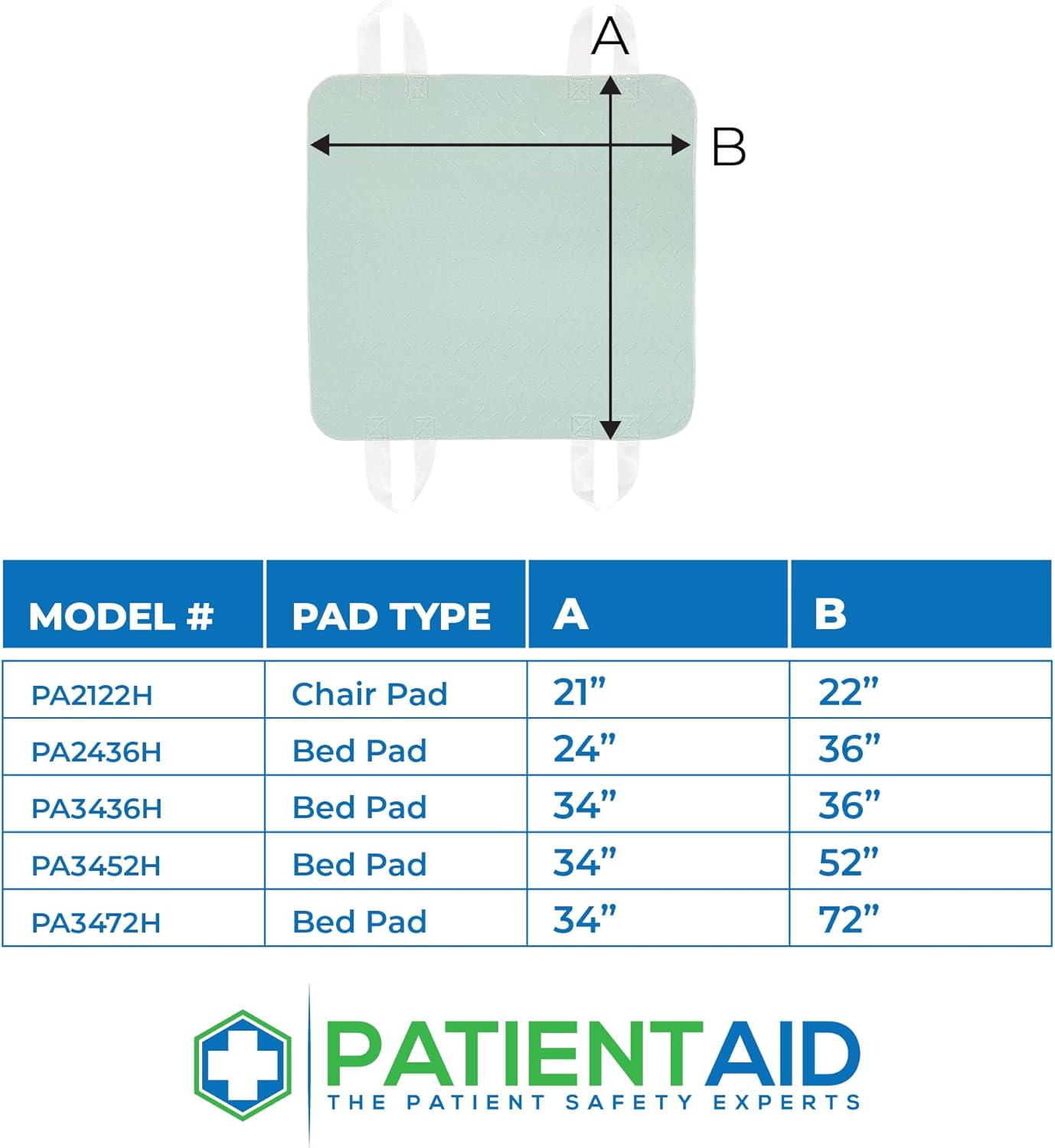
| Dimensions | 34″L x 36″W x 0.04″H |
| Weight | 1.04 pounds (0.47 kilograms) |
| Care Instructions | Machine washable (tumble or air dry) |
| Intended Use | Incontinence protection, repositioning assistance |
| Best Suited For | Elderly individuals, patients requiring care |
| Key Features | Reinforced handles, waterproof lining, washable design |
The Patient Aid positioning bed pad combines a breathable top layer, absorbent middle, and waterproof base to create a barrier against moisture while maintaining comfort. Its lightweight design and machine-washable construction make it a practical choice for long-term use, particularly in care settings where frequent cleaning is necessary. The reinforced handles and straps facilitate repositioning, reducing strain on caregivers while ensuring patient safety and comfort.

Comfort and Protection: Layered Design for Hygiene and Support
The Patient Aid positioning bed pad’s three-layer construction is designed to balance comfort, moisture management, and durability. This layered approach ensures that users remain dry and protected while maintaining a sense of ease during sleep. The breathable top layer allows air circulation to prevent overheating, while the absorbent middle layer wicks away moisture to maintain a dry sleeping environment. The waterproof base layer acts as a barrier against leaks, making it ideal for incontinence care. Together, these layers create a protective shield that minimizes the risk of skin irritation and promotes hygiene.

Breathable Top Layer for Temperature Regulation
The breathable top layer of the Patient Aid positioning bed pad is engineered to regulate temperature by allowing airflow while maintaining a soft, cushioned feel. This feature is particularly beneficial for users who may experience discomfort from excessive heat or moisture buildup. The material’s permeability helps dissipate body heat, ensuring a cooler sleep environment without compromising comfort. For individuals with sensitive skin or those prone to sweating, this layer provides an added layer of protection against skin breakdown and irritation.
Absorbent Middle Layer for Moisture Management
The absorbent middle layer plays a crucial role in managing moisture by quickly wicking away bodily fluids and preventing them from pooling on the surface. This layer is designed to maintain a dry sleeping surface, reducing the risk of fungal infections, bacterial growth, and skin irritation. Its high absorbency ensures that the pad remains functional for extended periods, even with frequent use. For caregivers, this layer minimizes the need for frequent replacements, making it a cost-effective and practical solution for long-term care.
Waterproof Base Layer for Leak Protection
The waterproof base layer of the Patient Aid positioning bed pad serves as a critical barrier against leaks, ensuring that the underlying mattress or bed remains protected. This layer is impermeable to liquids, making it ideal for use in incontinence care settings. Its durability ensures that the pad can withstand repeated exposure to moisture without degrading, maintaining its effectiveness over time. For users who require frequent repositioning, this layer provides peace of mind by preventing accidental spills or leaks from compromising the sleep surface.
Ease of Use and Repositioning: Handles and Straps for Caregiver Support
The Patient Aid positioning bed pad is designed with caregiver convenience in mind, featuring reinforced handles and straps that facilitate effortless repositioning. These elements are essential for reducing the physical strain on caregivers while ensuring the safety and comfort of the user. The handles are strategically placed to allow for secure grip, making it easier to maneuver the user without causing discomfort or injury. The straps provide additional support, enabling caregivers to lift or move the user with greater control and precision.

Reinforced Handles for Secure Grip and Maneuverability
The reinforced handles on the Patient Aid positioning bed pad are designed to withstand repeated use while maintaining their structural integrity. These handles are positioned to allow caregivers to grip the pad securely, reducing the risk of slippage during repositioning. Their placement ensures that the pad remains stable and easy to handle, even when the user is in a supine or lateral position. This feature is particularly beneficial for caregivers who need to reposition users frequently, as it minimizes the physical effort required and reduces the risk of strain or injury.
Straps for Enhanced Control and Stability
In addition to the handles, the Patient Aid positioning bed pad includes straps that provide caregivers with additional control and stability during repositioning. These straps are designed to be adjustable, allowing for customization based on the user’s specific needs. The added support helps to maintain the user’s position during movement, reducing the risk of accidental displacement or discomfort. For users with limited mobility, these straps offer a sense of security and stability, making the repositioning process more comfortable and less stressful.
User-Friendly Design for Caregiver Efficiency
The overall design of the Patient Aid positioning bed pad prioritizes efficiency and ease of use for caregivers. The combination of handles and straps creates a user-friendly solution that streamlines the repositioning process, allowing caregivers to focus on providing care rather than physical strain. The pad’s lightweight construction further enhances its usability, as it can be moved with minimal effort. This design philosophy ensures that caregivers can maintain a high standard of care while minimizing the risk of physical injury, making it an ideal choice for both residential and institutional care settings.
Durability and Maintenance: Washable Construction for Long-Term Use
The Patient Aid positioning bed pad’s washable construction and durable materials make it a practical choice for long-term use in care environments. Its ability to withstand repeated washing without losing functionality is a key factor in its suitability for frequent cleaning requirements. The polyester material is chosen for its resistance to wear and tear, ensuring that the pad maintains its structural integrity over time. This durability is particularly important for users who may require regular repositioning or who are at risk of skin irritation due to prolonged moisture exposure.

Machine-Washable Design for Easy Cleaning
The machine-washable design of the Patient Aid positioning bed pad simplifies maintenance, making it an ideal choice for caregivers who need to clean the product regularly. The pad can be washed either by tumble drying or air drying, providing flexibility in care routines. This feature reduces the risk of bacterial growth and odor buildup, ensuring a hygienic sleeping environment. The ability to clean the pad thoroughly without compromising its structural integrity means that it can be used for extended periods without the need for frequent replacements.
Resistance to Wear and Tear for Longevity
The polyester material used in the Patient Aid positioning bed pad is selected for its resistance to wear and tear, ensuring that the product remains functional over time. This material is durable enough to withstand the rigors of frequent use, including repeated washing and repositioning. The pad’s construction ensures that it maintains its shape and integrity even after numerous wash cycles, making it a cost-effective solution for long-term care. This durability is particularly valuable in settings where the pad is used daily, as it minimizes the need for frequent replacements and reduces overall maintenance costs.
Sustainable and Eco-Friendly Considerations
The washable and reusable nature of the Patient Aid positioning bed pad aligns with sustainable and eco-friendly practices, making it an attractive option for environmentally conscious caregivers. By reducing the need for disposable products, the pad contributes to waste reduction and resource conservation. Its ability to be cleaned and reused multiple times ensures that it remains a viable solution for long-term care without compromising hygiene or comfort. This aspect is particularly relevant in healthcare settings where sustainability and cost-efficiency are important considerations.
Ideal Users and Limitations: Who Benefits and Who Should Avoid
The Patient Aid positioning bed pad is best suited for elderly individuals and patients requiring incontinence care, as it addresses key challenges such as moisture management, ease of repositioning, and hygiene. Its design is particularly beneficial for users who may have limited mobility or require frequent assistance with positioning. However, the product may not be suitable for individuals with specific needs, such as those requiring additional support or specialized mattress types. The pad’s lightweight construction and washable design make it a practical choice for caregivers seeking a reliable solution for long-term use.

Best Suited For: Elderly and Incontinence Care Users
The Patient Aid positioning bed pad is specifically designed to meet the needs of elderly individuals and patients requiring incontinence care. Its layered construction provides effective moisture protection, while the reinforced handles and straps make repositioning easier for caregivers. The lightweight design ensures that the pad can be moved without causing strain, making it ideal for use in both home and institutional care settings. For users who may experience discomfort from moisture or require frequent repositioning, this product offers a practical and hygienic solution.
Who Should Avoid: Users with Specific Mobility or Support Needs
While the Patient Aid positioning bed pad is a versatile solution for many users, it may not be suitable for individuals with specific mobility or support requirements. Users who require additional structural support, such as those with severe spinal conditions or pressure injuries, may benefit from a different type of mattress or positioning aid. The pad’s lightweight construction and limited thickness may not provide the necessary support for users who need a more robust solution. Caregivers should consider the user’s specific needs before selecting this product as a primary sleep solution.
Overall Fit Compared to Similar Products in 2026
In 2026, the Patient Aid positioning bed pad stands out as a practical and effective solution for incontinence care and repositioning assistance. Its combination of breathable, absorbent, and waterproof layers addresses key challenges in hygiene and comfort, making it a valuable option for caregivers. While it may not offer the same level of support as specialized mattresses or pressure-relief systems, its ease of use and durability make it a reliable choice for users with moderate needs. Compared to similar products, the Patient Aid pad offers a balance of functionality and cost-effectiveness, making it a suitable option for those seeking a straightforward solution for sleep and care.
Pros & Cons
Pros
- Three-Layer Protection System: The breathable top, absorbent middle, and waterproof base layers work together to manage moisture and maintain a dry sleeping environment.
- Reinforced Handles and Straps: These features make repositioning easier and more efficient, reducing physical strain on caregivers.
- Machine-Washable Design: The pad can be cleaned thoroughly without compromising its structural integrity, ensuring long-term hygiene.
- Lightweight Construction: The lightweight design makes it easy to move and position, enhancing user comfort and caregiver efficiency.
- Cost-Effective Solution: Its reusable nature reduces the need for frequent replacements, making it a practical choice for long-term use.
- Eco-Friendly Considerations: The washable and reusable design aligns with sustainable practices, reducing waste and resource consumption.
Cons
- Limited Thickness for Additional Support: The pad’s thin construction may not provide the necessary support for users with severe mobility issues or pressure injuries.
- Potential for Odor Accumulation: While the pad is washable, frequent use without proper cleaning may lead to odor buildup if not maintained regularly.
- Not a Replacement for Specialized Mattresses: The pad is designed to protect the underlying mattress rather than serve as a primary sleep surface, so it may not be suitable for users requiring additional support.
- Dependence on Caregiver Maintenance: The product’s effectiveness relies on regular cleaning and proper use, which may require ongoing caregiver involvement.
- Limited Customization Options: The pad’s design is standardized, offering fewer customization options compared to some specialized positioning aids.
Final Verdict: Who This Mattress Is Best For (and Who Should Skip It)
The Patient Aid 34″ x 36″ Positioning Bed Pad is an excellent choice for elderly individuals and patients requiring incontinence care, offering a combination of comfort, hygiene, and ease of use. Its three-layer construction effectively manages moisture, while the reinforced handles and straps make repositioning more efficient for caregivers. The machine-washable design ensures long-term usability, making it a cost-effective and practical solution for daily care routines. However, users with severe mobility issues or those requiring additional structural support may find the pad insufficient, as its thin construction does not provide the same level of support as specialized mattresses or pressure-relief systems. For caregivers seeking a reliable, easy-to-maintain solution, the Patient Aid positioning bed pad is a suitable choice. However, those requiring more advanced support or who prefer a more customized approach may need to explore alternative options.
Frequently Asked Questions (FAQs)
Is the Patient Aid positioning bed pad suitable for incontinence care?
Yes, the Patient Aid positioning bed pad is specifically designed for incontinence care. Its three-layer construction includes a breathable top layer, absorbent middle layer, and waterproof base layer to manage moisture and maintain a dry sleeping environment. This makes it an effective solution for users requiring protection against leaks and skin irritation.
How do the handles on the positioning bed pad assist with repositioning?
The reinforced handles on the Patient Aid positioning bed pad are strategically placed to allow caregivers to grip the pad securely during repositioning. These handles reduce the physical strain on caregivers while ensuring the user remains stable and comfortable during movement, making the process more efficient and less stressful.
Can the bed pad be cleaned and reused multiple times?
Yes, the Patient Aid positioning bed pad is machine-washable and can be cleaned thoroughly without compromising its structural integrity. It is designed to withstand hundreds of washes, making it a durable and cost-effective solution for long-term use in care settings.
What are the key benefits of the three-layer construction?
The three-layer construction of the Patient Aid positioning bed pad provides a balanced approach to comfort and hygiene. The breathable top layer regulates temperature, the absorbent middle layer wicks away moisture, and the waterproof base layer prevents leaks. Together, these layers create a protective barrier that enhances user comfort and reduces the risk of skin irritation.
Is the bed pad suitable for users with limited mobility?
The Patient Aid positioning bed pad is designed to support users with limited mobility by facilitating easier repositioning through its handles and straps. However, for users requiring additional structural support or specialized mattress types, the pad may not be sufficient, and alternative solutions should be considered.
How does the lightweight design of the bed pad benefit caregivers?
The lightweight construction of the Patient Aid positioning bed pad makes it easier to move and position, reducing the physical effort required by caregivers. This design feature enhances efficiency and minimizes the risk of strain or injury during repositioning tasks.
What are the limitations of using this positioning bed pad?
The Patient Aid positioning bed pad is best suited for users requiring basic moisture protection and repositioning assistance. It may not provide the same level of support as specialized mattresses or pressure-relief systems, making it less suitable for users with severe mobility issues or those needing additional structural support.