
Innerspring Mattresses Guide
Innerspring mattresses are built around a coil support system with thinner comfort layers than many hybrid or foam beds. They are often chosen by readers who want a firmer, more traditional mattress feel with stronger bounce and easier movement across the surface.
Why Shoppers Still Compare Innersprings
Even though hybrids and foams dominate online mattress marketing, innersprings remain relevant because some readers simply prefer a more lifted, less contouring sleep surface. They can also appeal to hot sleepers and some back or stomach sleepers who want more straightforward firmness.
Main Strengths
- More traditional bounce and easier repositioning
- Often better breathability than dense foam beds
- Can work well for readers who dislike deep sink
Main Tradeoffs
Many innersprings provide less pressure relief than hybrids, latex, or memory foam mattresses. They may also transfer more motion, which matters for couples and light sleepers.
Who Often Starts Here
Innersprings often attract back sleepers, stomach sleepers, hot sleepers, and readers who simply dislike the contouring feel of foam. They can also appeal to traditional mattress shoppers who want a more familiar bounce and a less enveloping sleep surface.
How Comfort Layers Change an Innerspring
Even within the innerspring category, feel can vary meaningfully depending on how much cushioning sits over the coil system. A thinner comfort package can make the mattress feel very direct and firm, while slightly thicker comfort layers can soften pressure without transforming the bed into a hybrid-like experience. That is why shoppers comparing innersprings should still pay attention to the surface materials rather than thinking only about the presence of springs.
In practical terms, this means an innerspring can still appeal to different sleepers in different ways. Some readers want the mattress to feel distinctly traditional. Others want a little more cushioning while keeping the lifted, breathable character that made them look at innersprings in the first place.
How Innersprings Compare With Modern Alternatives
Innersprings matter most as a comparison point. They help readers understand what they gain and lose when moving toward hybrids, memory foam, or latex. For some shoppers, that comparison reveals that the simpler, firmer spring feel is still the best fit. For others, it reveals that more pressure relief or better motion isolation is worth the shift into newer categories.
Where This Category Fits Best
Innersprings often make more sense for readers who value firmness, breathability, and easier movement more than plush contouring. For readers with pressure-point sensitivity, a hybrid or memory foam mattress may still be the stronger starting point.
Related Guides
FAQ
Are innerspring mattresses still good?
Yes, especially for readers who want a firmer, more breathable, and more traditional sleep surface.
Who should avoid innerspring mattresses?
Readers who need strong pressure relief or high motion isolation often compare hybrids, memory foam, or latex more carefully before choosing an innerspring.
How Innersprings Still Matter in Modern Shopping
Even though many online mattress comparisons focus on foam and hybrid models, innersprings still matter because they represent a distinct feel that many readers continue to prefer. Some shoppers know immediately that they do not want the deeper sink of foam. Others only realize it after reading about motion isolation, contouring, or latex responsiveness. In both cases, the innerspring category remains useful because it clarifies what “traditional,” “firmer,” or “more lifted” actually means in mattress shopping.
Dream Mattress includes innersprings in the site’s main category structure because true topical authority means covering the full market, not just the most aggressively marketed part of it. A complete mattress resource should help readers compare modern and traditional constructions side by side.
Common Questions About Innerspring Mattresses
Are innersprings mostly for back and stomach sleepers?
They often fit those sleepers well, but the exact answer still depends on the comfort layers and overall firmness of the mattress.
Do innersprings always sleep cooler than foam beds?
They are often more breathable, but the surface materials still affect how warm the mattress feels to the sleeper.
Should I compare innersprings directly with hybrids?
Yes. That comparison is one of the best ways to decide whether you want a more traditional spring feel or a more balanced comfort-and-support mix.
How Readers Usually Use This Page in Innerspring Mattress Research
This page is most useful when it helps readers move from a broad problem or category interest into a more exact comparison path. Dream Mattress uses pages like this to narrow the field through real decision factors instead of asking readers to rely on generic “best mattress” language alone. That means the next step after this page is usually another focused comparison, not a restart of the whole research process.
The reason this matters is that traditional feel, breathability, and whether a spring-forward design still matches the shopper’s priorities. Once those tradeoffs are clearer, the internal links around the site become much more useful. They let readers compare the remaining options with more context and less guesswork, which is one of the strongest ways a mattress site can feel genuinely helpful instead of repetitive.
Best Next-Step Questions
- What is the single strongest uncertainty this page helped reduce for me?
- Which linked Dream Mattress page would sharpen the remaining comparison most effectively?
- Do I now need more category context, more buyer guidance, or more review-level comparison?
- What tradeoff matters enough that I should compare it directly before moving to product-level decisions?
Practical Takeaway
Innersprings stay relevant because they give shoppers a clear reference point for firmness, bounce, and breathability. Comparing that traditional feel against modern categories often clarifies the entire mattress decision faster.
That comparison role is one of the main reasons innersprings still deserve a full place in modern mattress education.
That reference value helps many readers compare older mattress expectations against newer hybrid and foam-heavy constructions with much more confidence.
In practical shopping, that means innersprings continue to matter as a benchmark category. Readers often understand their own preferences faster once they compare a familiar spring feel against the more contouring, more mixed, or more specialized behavior of other mattress types. That comparison value alone is one of the strongest reasons this category remains important on Dream Mattress.
All 35 innerspring mattresses reviews
Newest first. Consumables, accessories and parts that were once filed here are excluded.
-
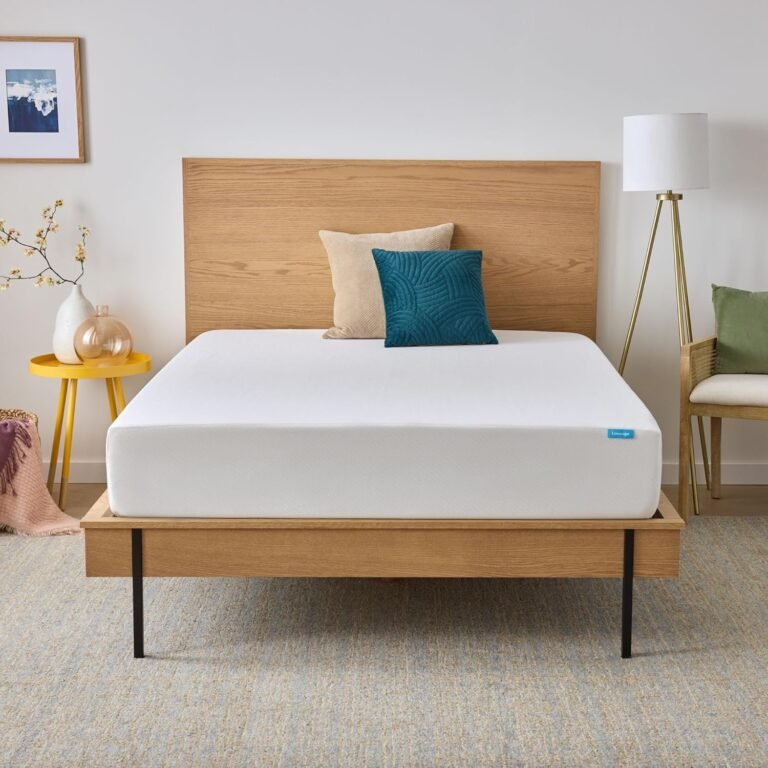
Linenspa 10 Inch Gel Infused Memory Foam Mattress Review
Linenspa 10 Inch Gel Infused Memory Foam Mattress offers cooling, pressure relief, and medium-plush comfort.
-
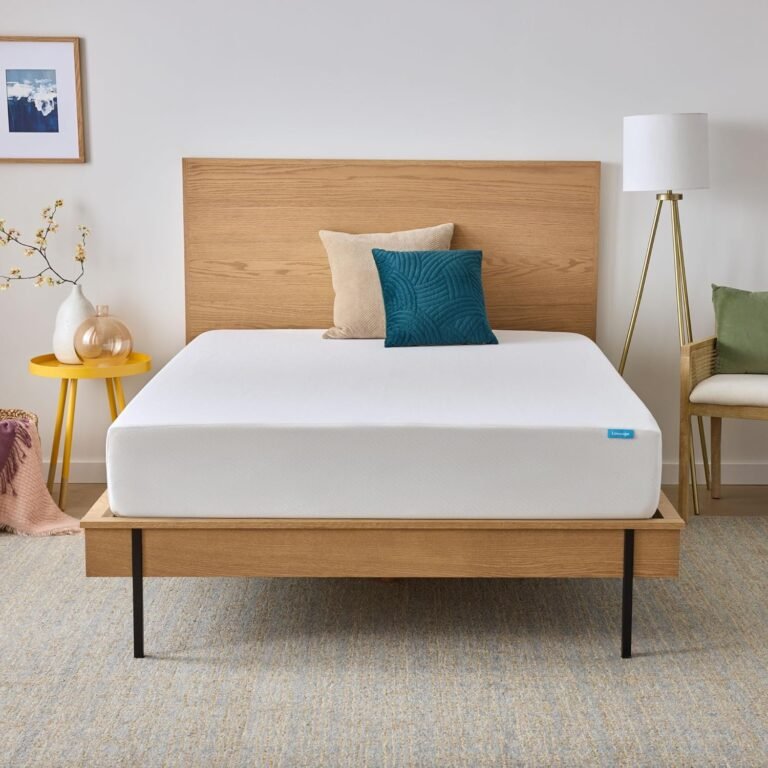
Linenspa 10 Inch Gel Infused Memory Foam Mattress Review
Linenspa 10 Inch Gel Infused Memory Foam Mattress Review: Cooling comfort, pressure relief, and medium-plush support for all sleep positions.
-
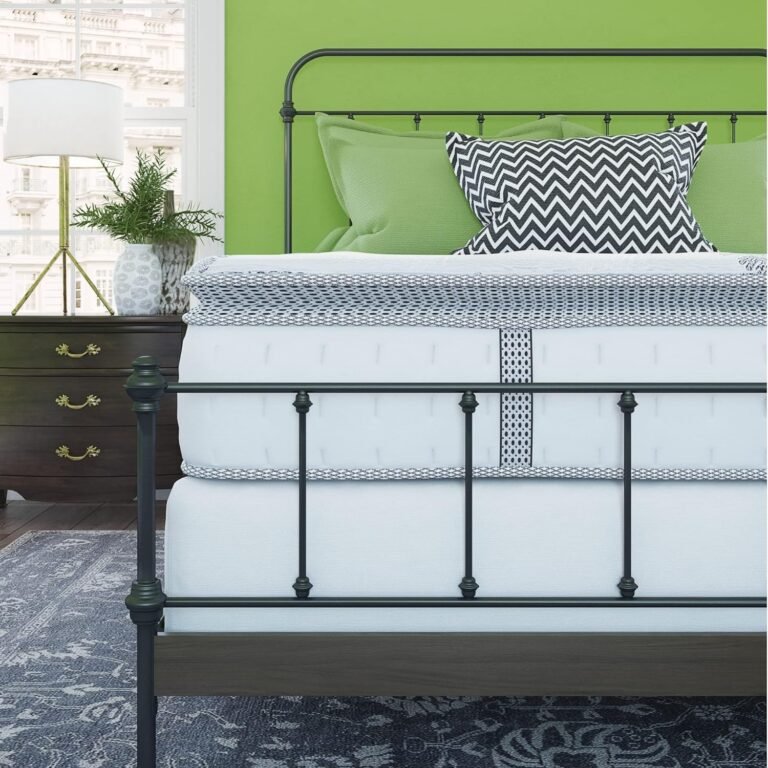
Classic Brands Mercer Cool Gel Memory Foam Mattress Review
Classic Brands Mercer Cool Gel Memory Foam and Innerspring Hybrid 12 Inch Euro Pillow Top Mattress review for medium firm support, cooling…
-
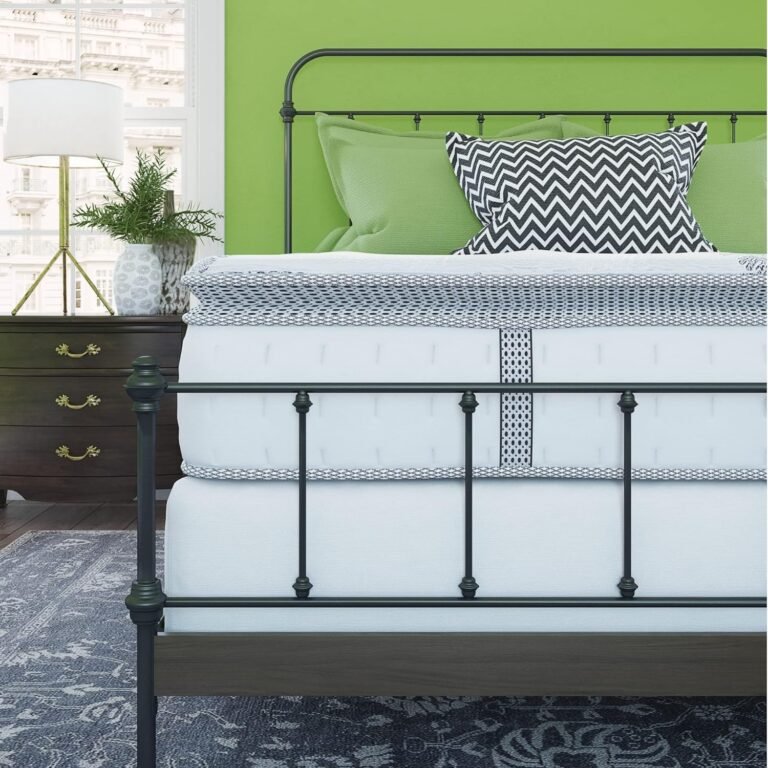
Classic Brands Mercer Cool Gel Memory Foam and Innerspring Hybrid 12 Inch Euro Pillow Top Mattress Review
Classic Brands Mercer Cool Gel Memory Foam and Innerspring Hybrid 12 Inch Euro Pillow Top Mattress offers cooling comfort, motion isolation, and…
-
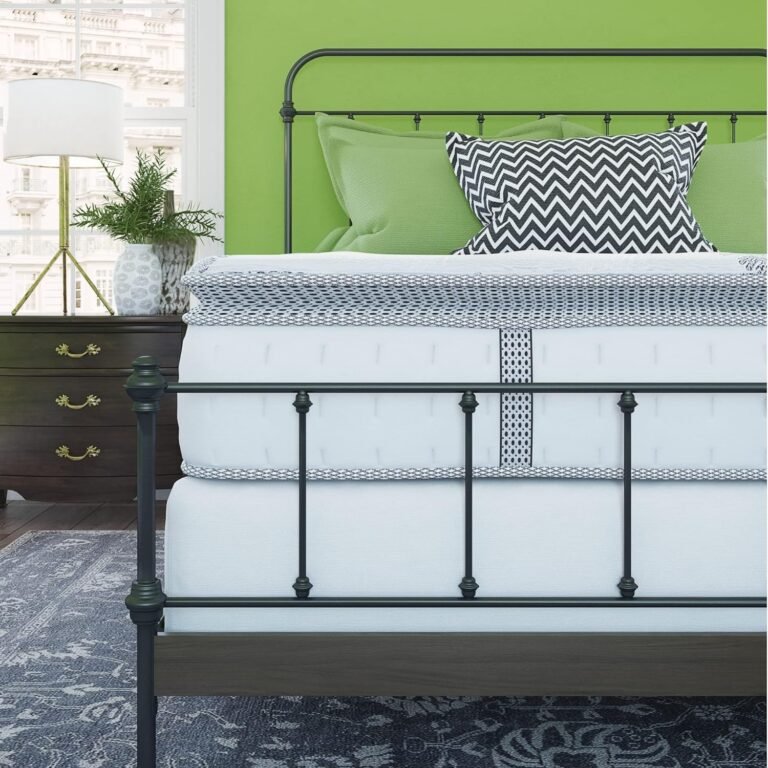
Classic Brands Mercer Cool Gel Memory Foam Mattress Review
Classic Brands Mercer Cool Gel Memory Foam Mattress offers medium firm support, temperature regulation, and motion isolation.
-
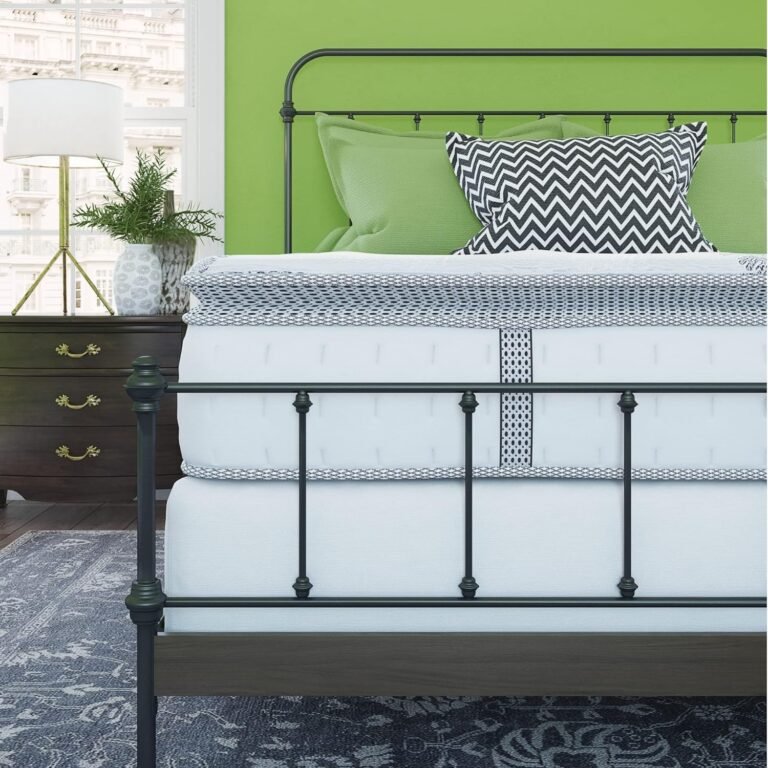
Classic Brands Mercer Cool Gel Memory Foam Mattress Review
Classic Brands Mercer Cool Gel Memory Foam Mattress offers balanced support, cooling technology, and motion isolation for a comfortable sleep.
-
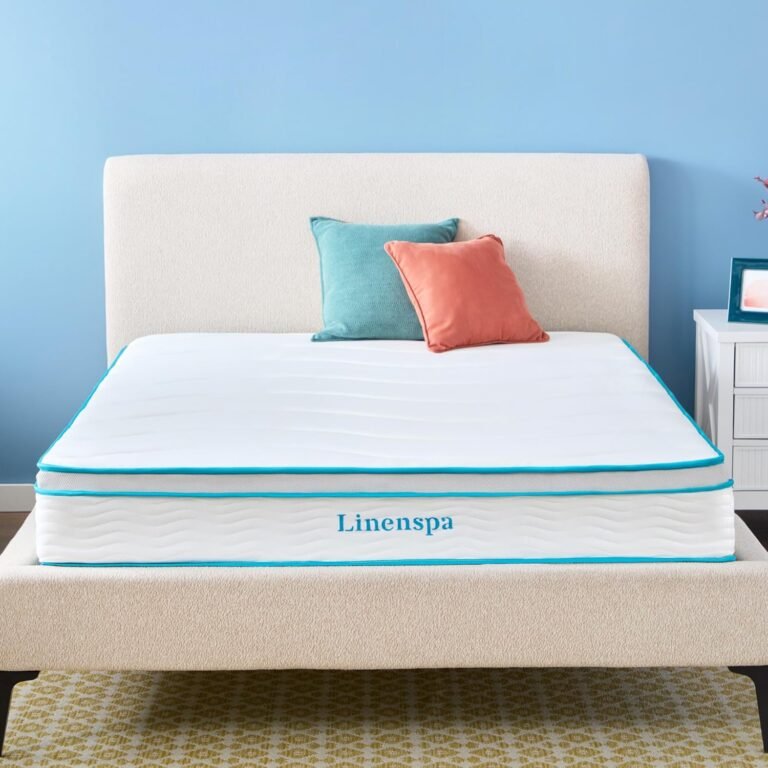
Linenspa 10 Inch Hybrid Mattress Review: Medium Firm Support for All Sleepers
Linenspa 10 Inch Hybrid Mattress Review: Explore medium firm support, pressure relief, and breathability for all sleep styles.
-

Linenspa 6 Inch Memory Foam Mattress Review: Innerspring Hybrid for Back Sleepers
Linenspa 6-inch mattress combines firm support with breathable foam for back sleepers. Ideal for transitional use, it offers durability and affordability…
-
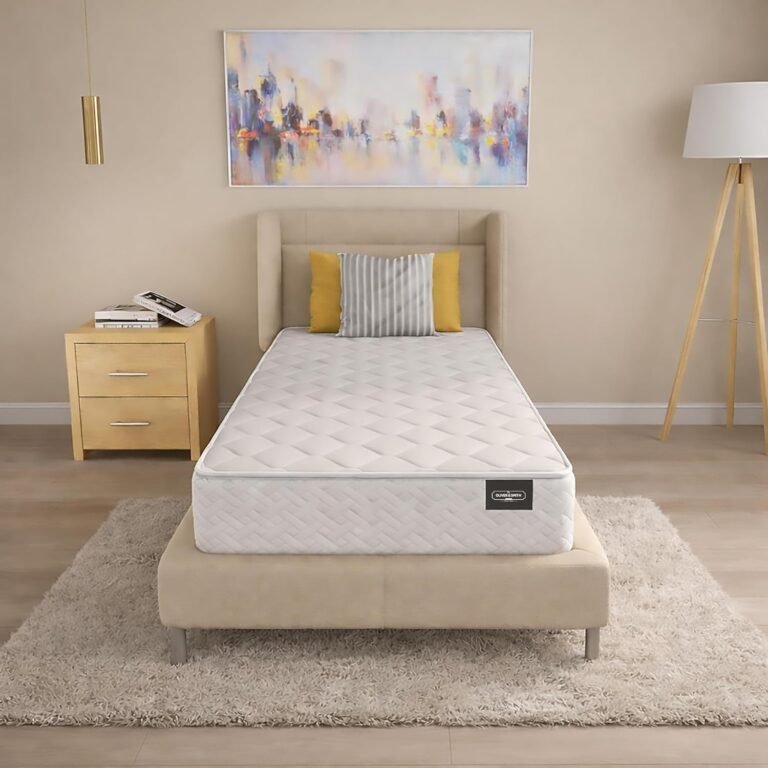
HomeLife 6-Inch Twin Size Gel Memory Foam Mattress Review
Evaluate the HomeLife 6-Inch Twin Mattress’s firm support, breathability, and hybrid design. Ideal for back, side, and stomach sleepers seeking…
-

Kogler Innerspring Hybrid Semi-Truck Mattress Review: 7″ Trucker Mattress for 39×80
Evaluate the Kogler Innerspring Hybrid Mattress for firm support, pressure relief, and durability. Ideal for truckers and RV owners seeking a structured…
-
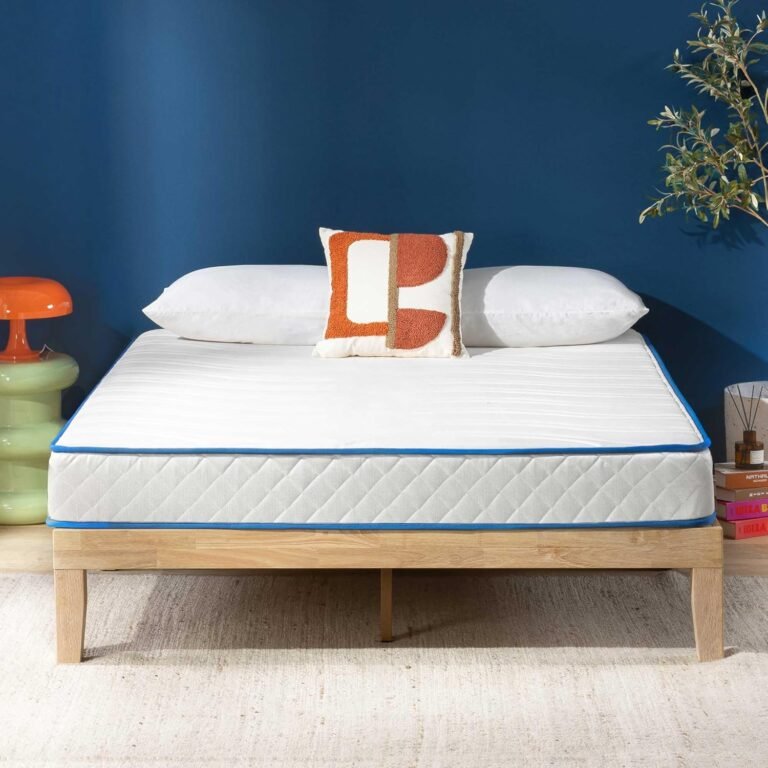
Best Value 6 Inch Bonnell Spring Hybrid Mattress Review: Comfort, Support, and Versatility
The Best Price Mattress Bonnell Spring Hybrid Mattress offers a balance of support and comfort with its medium-firm design, certified materials, and…
-

Medline Premium Vinyl Innerspring Homecare Mattress Review: Comfort, Durability, and Hygiene for Homecare Patients
Evaluate the Medline Vinyl Innerspring Homecare Mattress for homecare patients. Learn about its antimicrobial treatment, durability, and suitability for medical environments.