
Memory Foam Mattresses Guide
Memory foam mattresses remain one of the most searched mattress categories because they are strongly associated with contouring comfort, pressure relief, and motion isolation. They are especially relevant to side sleepers, couples, and readers who prefer a quieter, more body-hugging sleep surface.
Why Readers Compare Memory Foam
Memory foam can cushion the shoulders and hips better than many firmer or springier mattresses. That makes it a common starting point for side sleepers and for readers who want less movement transfer from a partner.
Main Strengths
- Strong pressure relief potential
- Good motion isolation for couples
- Comfort-first feel for readers who dislike bounce
Main Tradeoffs
Traditional memory foam can retain more heat than latex or many hybrids. It can also feel slower to respond, which some combination sleepers dislike. The right firmness matters especially much in this category because too-soft memory foam can reduce support quickly for some body types.
How Firmness Changes the Experience
Memory foam can feel dramatically different from one model to another. Softer builds often create more contouring and pressure relief, while medium-firm builds may work better for back sleepers who still want foam comfort without excessive sink. That is why Dream Mattress pairs memory-foam education with the site’s Mattress Firmness Guide instead of treating the category as one uniform feel.
Why Response Speed Matters in Memory Foam
One of the defining traits of memory foam is how quickly or slowly it responds to movement. Slower-response foam can create the hugging, pressure-relieving sensation that many shoppers want, especially side sleepers and couples trying to reduce movement transfer. That same trait can also make repositioning harder for sleepers who move often at night. This is why Dream Mattress treats response speed as part of the fit conversation, not just as a technical feature.
Readers who like a more cradling sensation may see that slower response as a major advantage. Readers who want the bed to feel easier to move on may prefer to compare memory foam with hybrids or latex mattresses. The best choice depends on whether contouring or mobility is more important.
How Memory Foam Fits Broader Mattress Shopping
Memory foam matters in mattress research because it acts as a reference point for multiple other categories. Hot sleepers often compare it with cooling-focused foams and hybrids. Couples compare it because of motion isolation. Side sleepers compare it because of pressure relief. Readers with back discomfort compare it because the right build can offer both support and cushioning. That wide relevance is why Dream Mattress treats memory foam as a foundational category page within the site’s larger topic map.
Who Often Benefits Most
Side sleepers often compare memory foam first. Couples who want to reduce motion transfer also start here often. Readers who sleep especially hot or prefer easier movement should usually compare memory foam with hybrids, latex mattresses, or cooling-focused foams.
How to Use This Guide
Use this page with Best Mattress for Side Sleepers, Best Mattress for Couples, and Mattress Firmness Guide. If you want product-level breakdowns after that, continue into Reviews.
Related Guides
- Best Mattress for Side Sleepers
- Best Mattress for Couples
- Best Mattress for Hot Sleepers
- Mattress Firmness Guide
FAQ
Is memory foam always soft?
No. Memory foam mattresses vary widely in firmness and support profile depending on the overall construction.
Are memory foam mattresses good for couples?
Often yes, especially when motion isolation is a top priority and the couple does not mind a less bouncy feel.
How Memory Foam Fits Into Real Mattress Research
Memory foam is often one of the first categories readers consider because it connects directly to some of the most common mattress goals: pressure relief, lower motion transfer, and a more cradling sleep surface. That wide relevance is why the category appears repeatedly across Dream Mattress in side-sleeper guides, couple-focused comparisons, cooling comparisons, and back-support discussions. Understanding memory foam well makes many other mattress comparisons easier.
At the same time, memory foam remains one of the categories where oversimplified advice can mislead readers most easily. Some shoppers hear “memory foam” and think soft. Others hear it and think hot. In reality, the category is broader than either stereotype. That is why Dream Mattress uses this page as a foundation for more precise comparisons instead of treating memory foam as a one-note mattress type.
Common Questions About Memory Foam Mattresses
Are memory foam mattresses only for side sleepers?
No. Side sleepers often compare them first, but the right memory-foam build can also work well for back sleepers and some couples depending on firmness and support.
Should hot sleepers avoid memory foam entirely?
Not always, but they should compare it carefully against cooling-focused foams, hybrids, and latex if heat is a major concern.
Why does memory foam show up so often in mattress research?
Because it speaks directly to pressure relief and motion isolation, two of the most common reasons people start looking for a new mattress in the first place.
How Readers Usually Use This Page in Memory-Foam Mattress Research
This page is most useful when it helps readers move from a broad problem or category interest into a more exact comparison path. Dream Mattress uses pages like this to narrow the field through real decision factors instead of asking readers to rely on generic “best mattress” language alone. That means the next step after this page is usually another focused comparison, not a restart of the whole research process.
The reason this matters is that pressure relief, motion isolation, and the tradeoffs around heat and responsiveness. Once those tradeoffs are clearer, the internal links around the site become much more useful. They let readers compare the remaining options with more context and less guesswork, which is one of the strongest ways a mattress site can feel genuinely helpful instead of repetitive.
Best Next-Step Questions
- What is the single strongest uncertainty this page helped reduce for me?
- Which linked Dream Mattress page would sharpen the remaining comparison most effectively?
- Do I now need more category context, more buyer guidance, or more review-level comparison?
- What tradeoff matters enough that I should compare it directly before moving to product-level decisions?
All 191 memory foam mattresses reviews
Newest first. Consumables, accessories and parts that were once filed here are excluded.
-
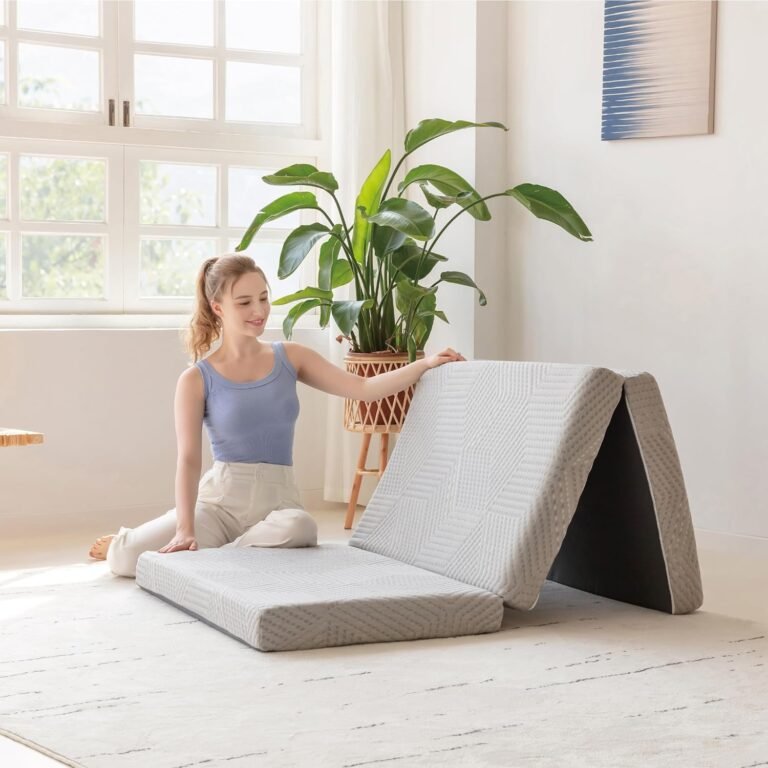
MLILY Tri-Fold Memory Foam Mattress Topper, 6 Inch Twin Folding Design with Gel AeroFusion Cooling Foam Review
This MLILY Tri review covers the 6-inch twin memory foam topper, its firmness, cooling comfort, and suitability for guests, travel, and side…
-
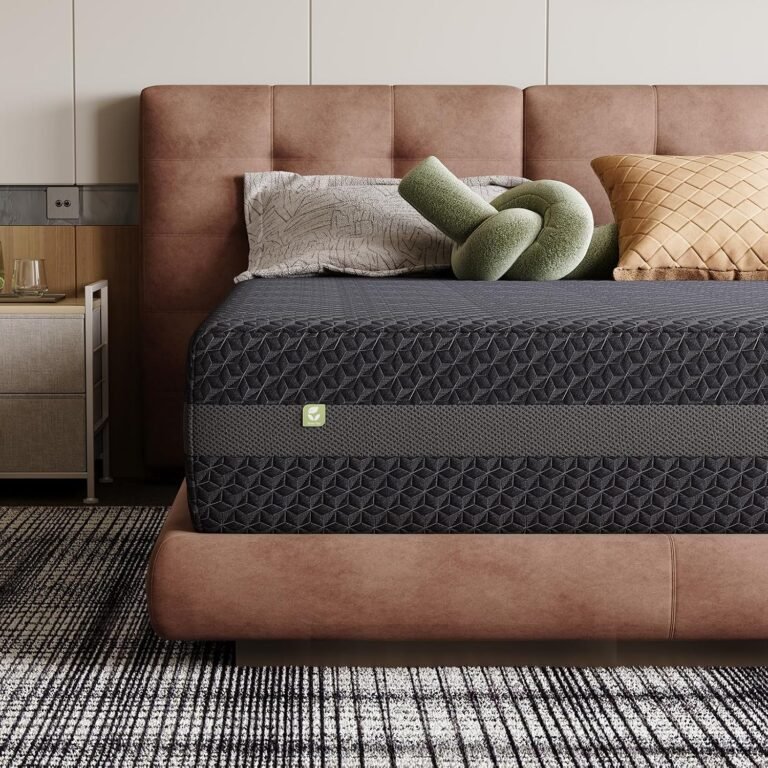
Novilla Twin Gel Memory Foam Mattress Review: 10-Inch Green Tea-Infused Foam Bed-in-a-Box
This novilla twin gel memory foam mattress review covers firmness, pressure relief, cooling design, and sleeper suitability for the medium-firm 10-inch…
-
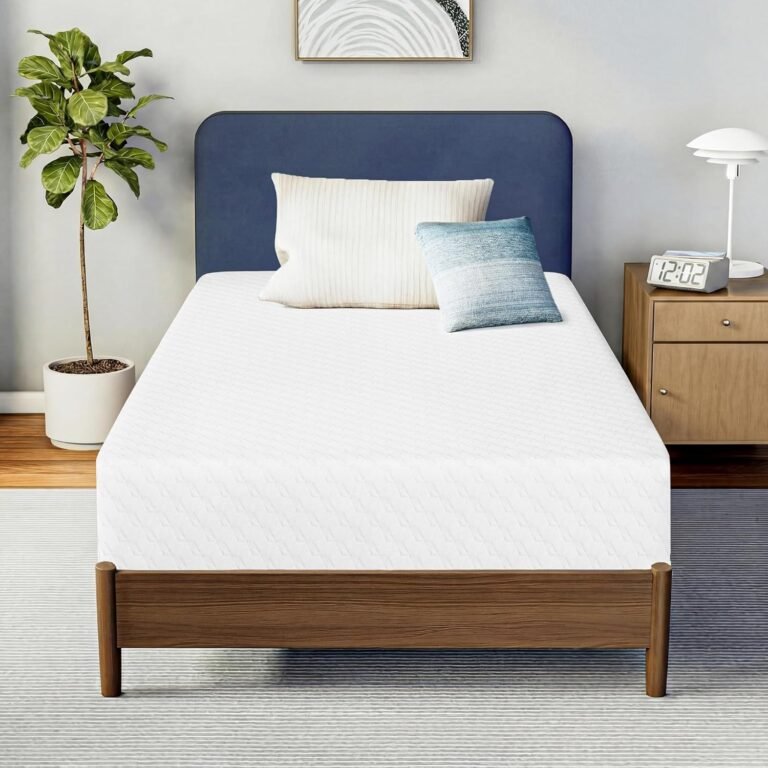
Neo Sleep 8 Inch Twin Cooling Gel Memory Foam Mattress Review
Neo Sleep 8 inch twin cooling review covering medium firmness, gel memory foam pressure relief, breathable cooling, certifications, and sleeper fit…
-
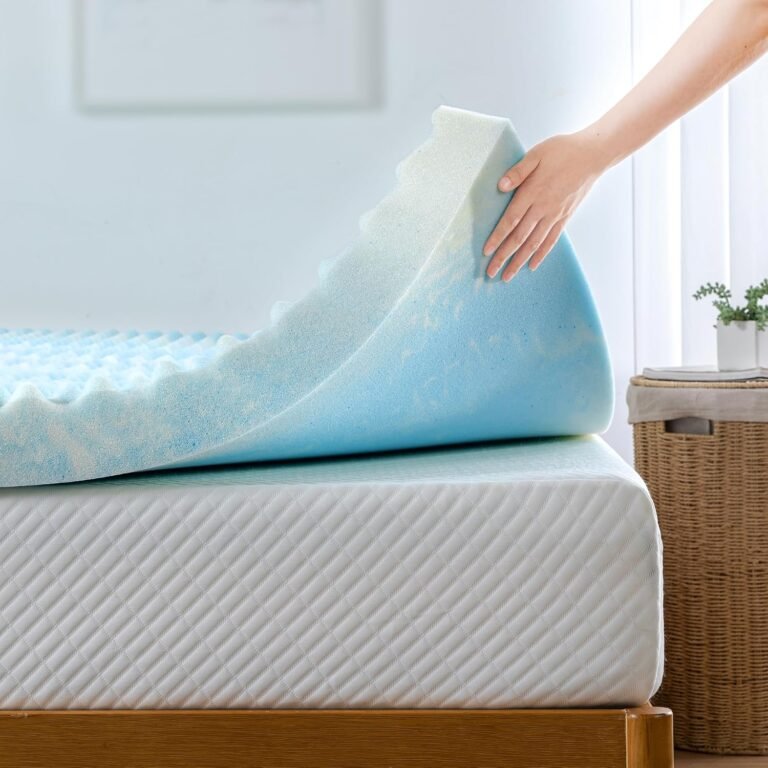
Zinus 4 Inch Swirl Gel Cooling Memory Foam Mattress Topper Review
This Zinus 4 Inch Swirl Gel Cooling review covers medium firmness, cooling gel foam, pressure relief, and sleeper suitability for a queen…
-
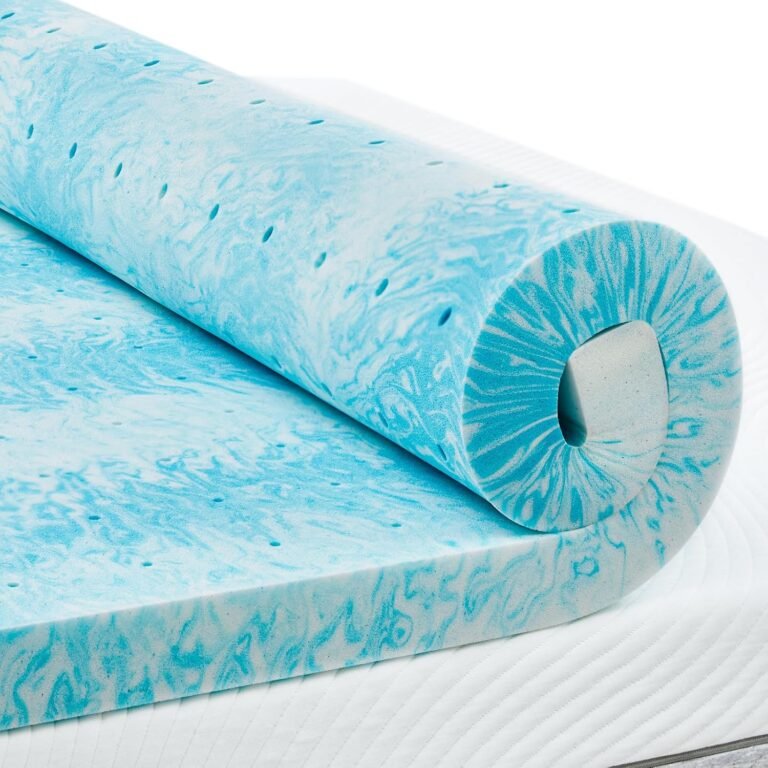
PERLECARE 3 Inch Queen Memory Foam Mattress Topper Review
Explore the PERLECARE 3 Inch Queen Memory Foam Mattress Topper for enhanced comfort and cooling.
-
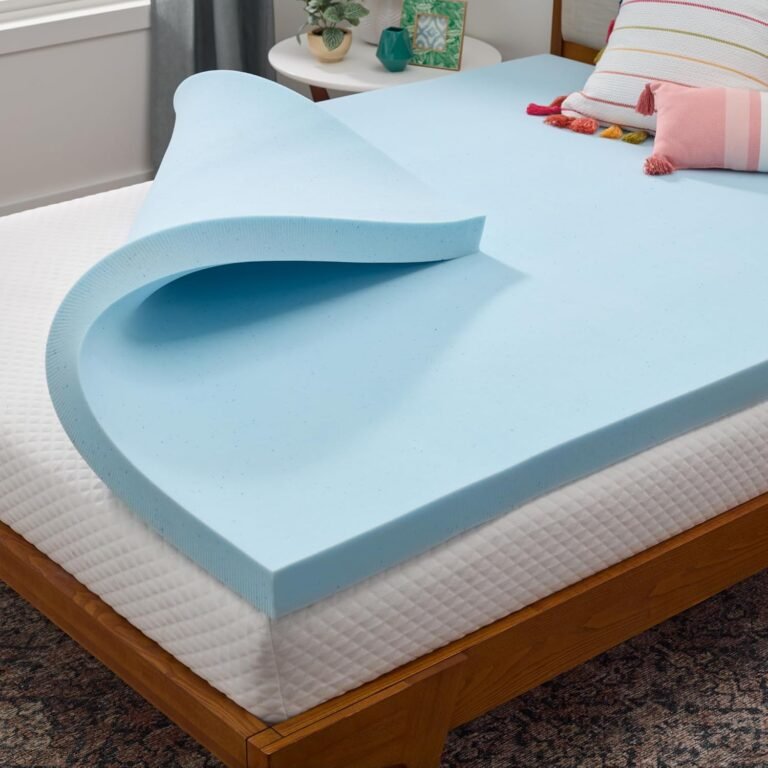
Linenspa Memory Foam Mattress Topper, Twin Review: Cooling Gel Infusion and Pressure Relief for 2026
Linenspa 3 Inch Gel Infused Memory Foam Mattress Topper, Twin XL: Cooling gel infusion provides pressure relief for side sleepers.
-
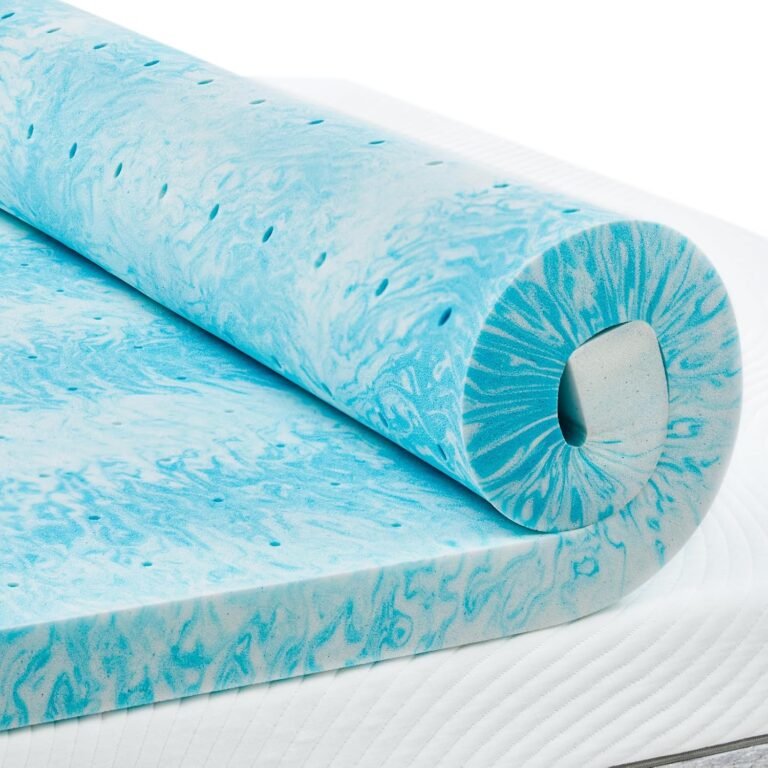
PERLECARE 3 Inch Queen Memory Foam Mattress Topper Review
PERLECARE 3 Inch Queen Memory Foam Mattress Topper review: Cooling gel and breathable design for pressure relief, medium firmness for spinal support,…
-
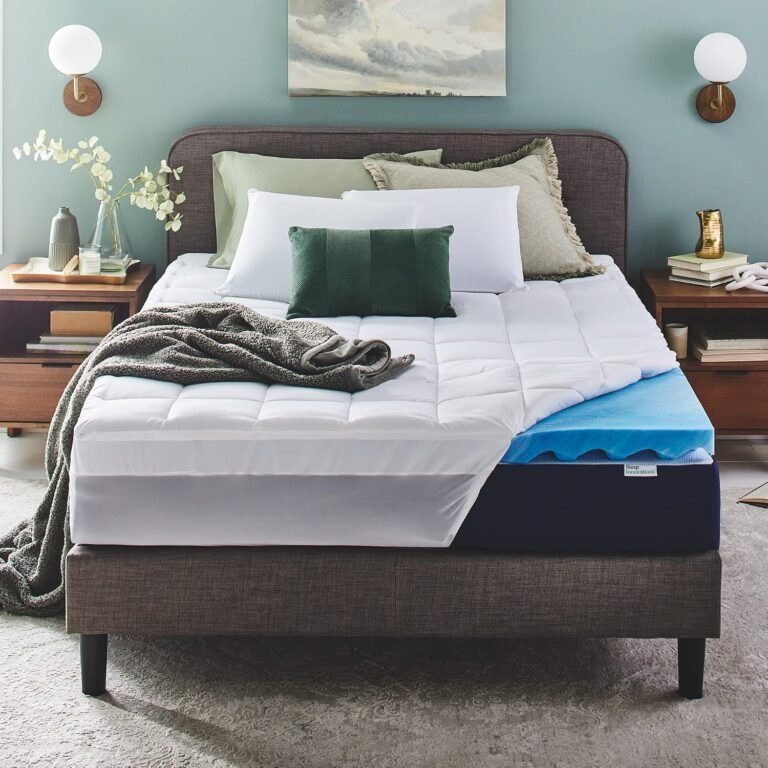
Sleep Innovations Dual Layer 4 Inch Memory Foam Mattress Topper Queen Size Review
Sleep Innovations Dual Layer 4 Inch Memory Foam Mattress Topper Queen Size offers cooling gel memory foam and a plush pillow top…
-
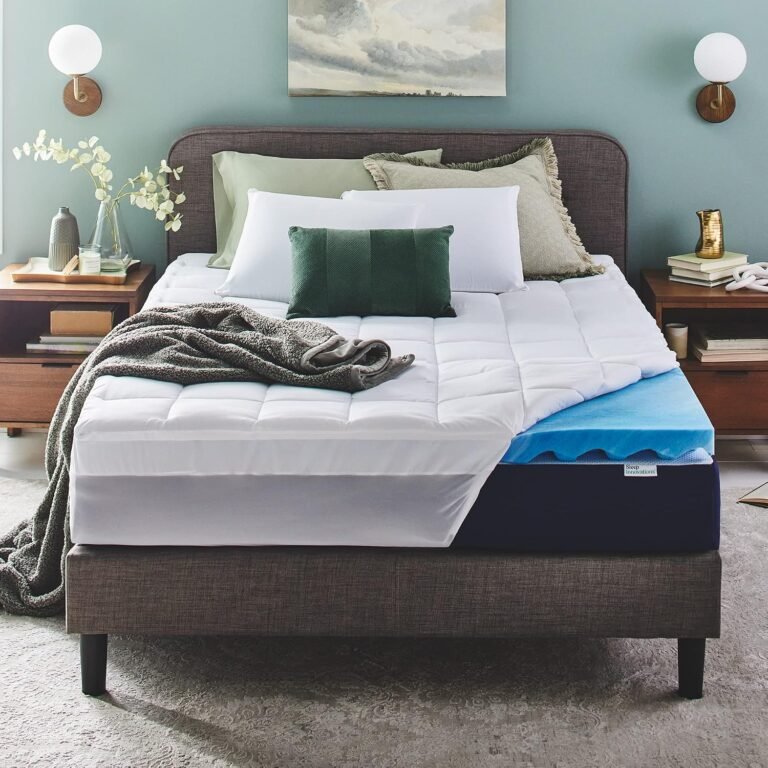
Sleep Innovations Dual Layer 4 Inch Memory Foam Mattress Topper Review
Sleep Innovations Dual Layer 4 Inch Memory Foam Mattress Topper review: Explore cooling gel memory foam, pressure relief, and ultra-soft support for…
-
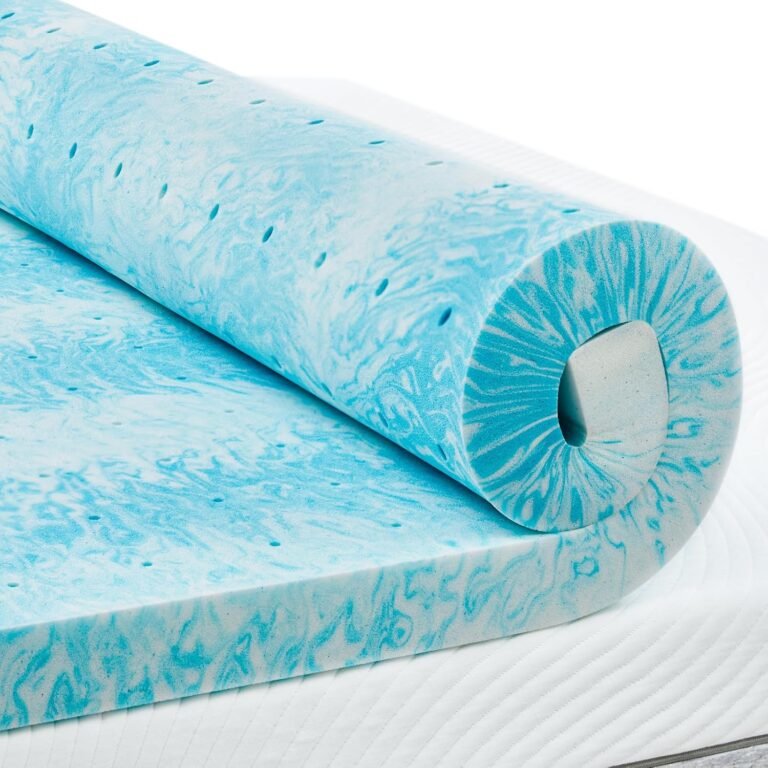
PERLECARE 3 Inch Queen Memory Foam Mattress Review
PERLECARE 3 Inch Queen Memory Foam Mattress Topper with cooling gel infusion offers pressure relief, breathability, and spinal alignment support.
-
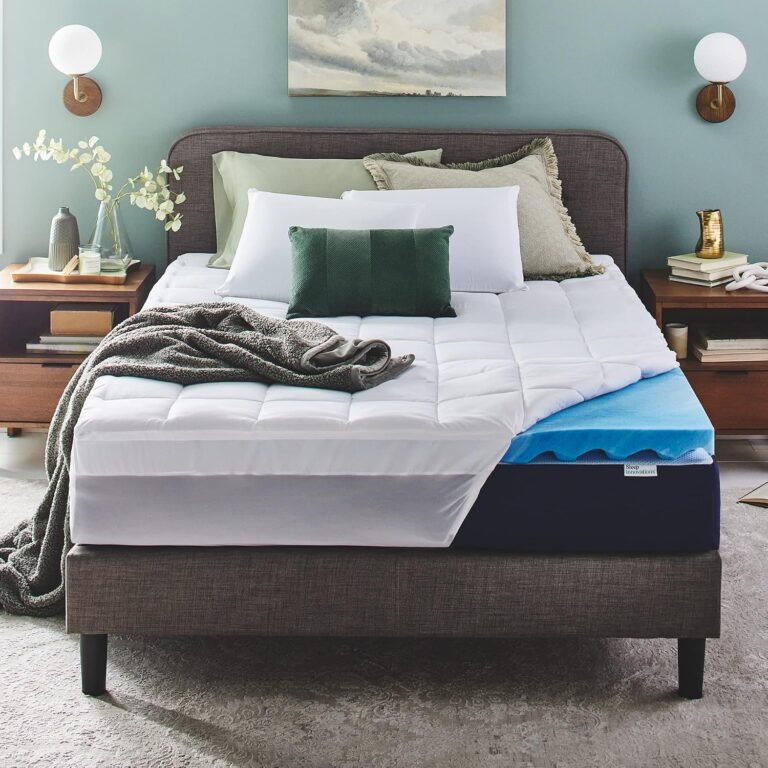
Sleep Innovations Dual Layer 4 Inch Memory Foam Mattress Topper, Queen Size Review
The Sleep Innovations Dual Layer 4 Inch Memory Foam Mattress Topper, Queen Size, offers cooling gel memory foam and a plush pillow…
-
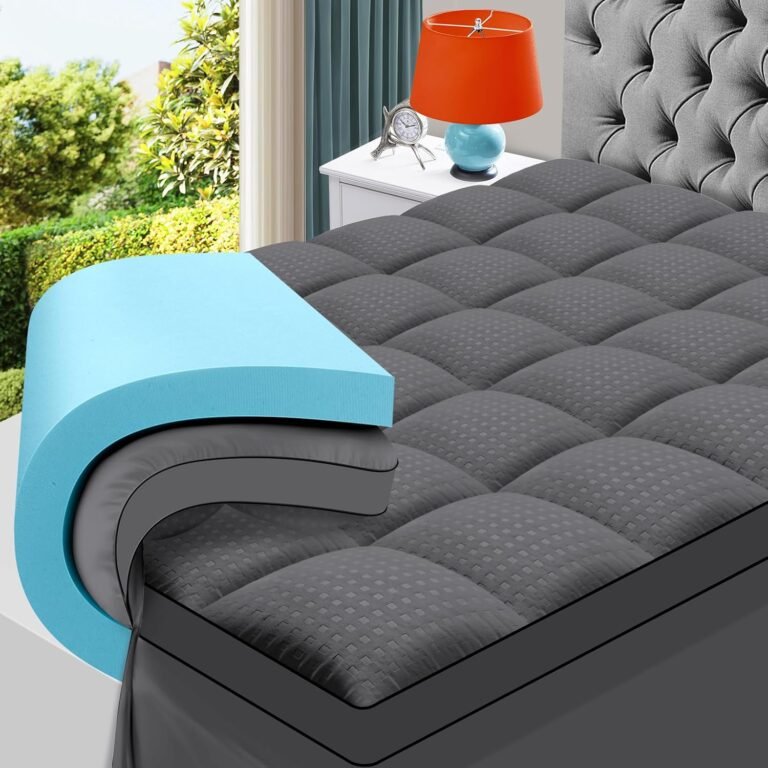
MASVIS King Size Dual Layer 4 Inch Memory Foam Mattress Topper Review
MASVIS King Size Dual Layer 4 Inch Memory Foam Mattress Topper Review: Ideal for spinal alignment, cooling, and medium firmness.