
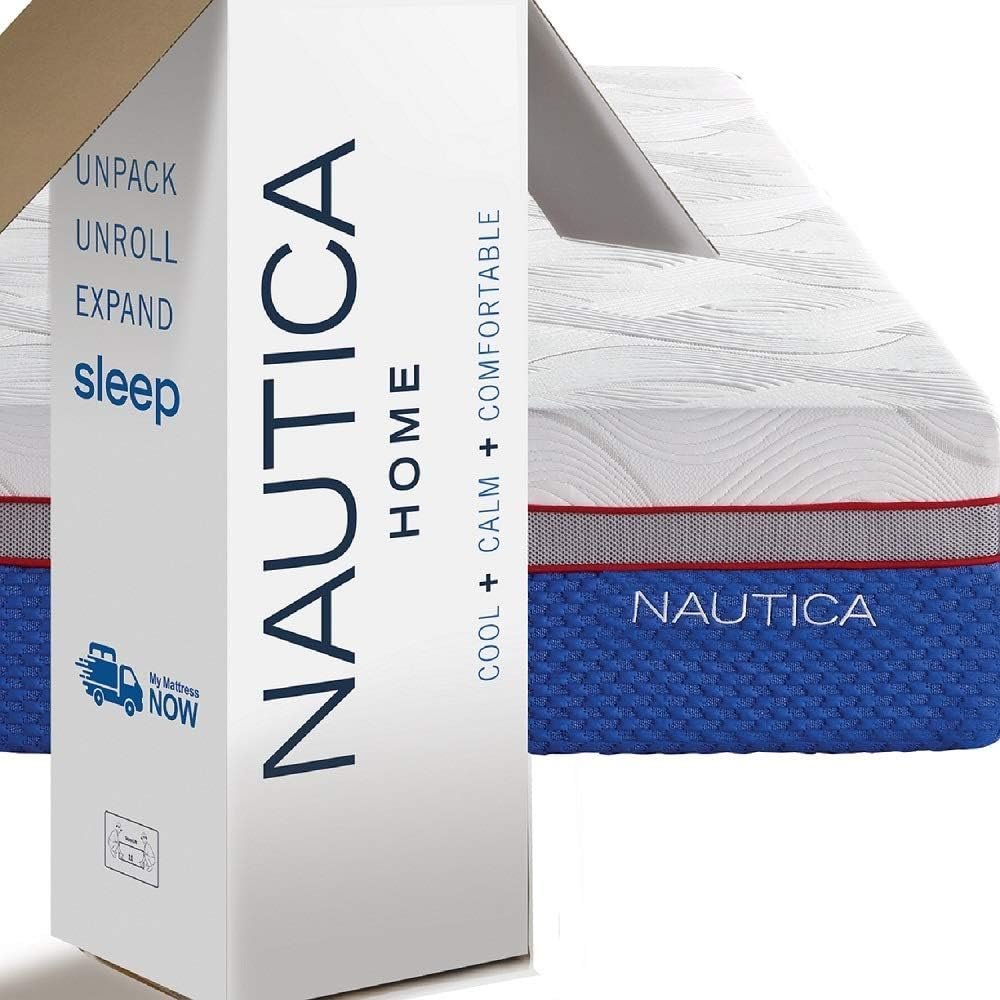
The Importance of Choosing the Right Mattress
A good mattress is more than just a place to sleep—it’s a critical component of sleep quality, directly influencing comfort, spinal alignment, and overall rest. For many, the decision between a standard mattress and a specialized sleep product can mean the difference between restful sleep and persistent discomfort. The Nautica Home Mattress, a 12-inch medium-firm memory foam option with cooling gel technology, is designed to address common sleep challenges such as temperature regulation, pressure point relief, and motion isolation. This review evaluates how its construction, materials, and design features align with the needs of various sleepers, from back pain sufferers to those seeking a cooler sleep environment. By analyzing the mattress’s composition, firmness profile, and functional benefits, this guide provides a data-driven assessment of its suitability for different sleeper profiles. Whether you’re looking for a mattress that adapts to your body or one that maintains a consistently cool surface, understanding how these factors interplay can help you make an informed choice. This review avoids subjective testing and focuses on objective product characteristics, ensuring a neutral evaluation of the Nautica Home Mattress’s strengths and limitations.
Quick Overview
| Feature | Details |
|---|---|
| Mattress Type | Memory foam with cooling gel technology |
| Firmness Level | Medium (5/10 scale) |
| Height / Thickness | 12 inches |
| Materials | Gel-infused memory foam, latex, and ventilated foam layers |
| Best Suited For | Side and back sleepers, those seeking temperature regulation |
| Intended Use Cases | Bedroom, guest room, or shared sleeping space |
| Trial & Warranty | No trial period specified; manufacturer warranty details not provided |
The Nautica Home Mattress combines multiple layers of foam and gel to provide a balance of support and comfort. Its cooling features are designed to manage heat retention, while the medium firmness aims to maintain spinal alignment. These design choices make it a potential fit for individuals who prioritize temperature regulation and pressure relief, though its suitability may vary depending on individual sleep preferences and body types.

Temperature Regulation and Cooling Technology
The Nautica Home Mattress is engineered with cooling technology to address one of the most common sleep discomforts: overheating. Its top layer features an IceLux fabric cover, which is designed to wick away heat and maintain a cooler surface temperature throughout the night. This material is paired with a 2-inch gel-infused memory foam layer that enhances heat dissipation by incorporating liquid-gel particles. These elements work together to reduce the risk of heat buildup, which is particularly beneficial for sleepers who tend to sleep hot or live in warmer climates. The mattress also includes a 3-inch Gellux engineered latex layer that contributes to airflow by providing a buoyant, responsive feel. This combination of materials is intended to create a sleep environment that remains comfortable without excessive heat retention.

Cooling Fabric and Heat Dissipation
The IceLux fabric cover is a key component of the mattress’s cooling system. This material is designed to feel cool to the touch and is capable of wicking away moisture, which helps regulate body temperature. The fabric’s 360° zipper allows for machine-washing, ensuring that the cover remains clean and fresh over time. While the fabric itself is not a cooling mechanism, it complements the gel-infused foam layers by maintaining a cooler surface. This feature is particularly useful for individuals who experience night sweats or have a higher body temperature. However, the effectiveness of this cooling system may depend on environmental factors such as room temperature and humidity levels.
Ventilation and Airflow Design
The mattress’s ventilation system is designed to promote airflow and reduce heat buildup. The 2-inch gel-infused memory foam layer includes precision ventilation channels that allow air to circulate through the material. This design helps dissipate heat while maintaining the cushioning properties of the foam. The 3-inch Gellux latex layer further enhances airflow by providing a porous structure that allows air to pass through. These ventilation features are intended to prevent the mattress from retaining excessive heat, which can lead to discomfort during sleep. However, the effectiveness of these airflow mechanisms may vary depending on the sleeper’s weight and sleeping position.
Spinal Alignment and Pressure Relief
A well-designed mattress should support the spine in its natural curvature while reducing pressure on sensitive areas such as the shoulders and hips. The Nautica Home Mattress incorporates multiple layers to achieve this balance, with the 1-inch Contour Transition Foam layer playing a crucial role in maintaining spinal alignment. This layer is designed to adapt to the body’s contours, providing a smooth transition between the firm support of the base and the softer comfort of the upper layers. The combination of these materials is intended to prevent excessive sinking or sagging, which can lead to misalignment and discomfort.

Supportive Foam Layers and Body Contouring
The 1-inch Contour Transition Foam layer is engineered to conform to the body’s shape while maintaining a stable foundation. This layer is positioned between the gel memory foam and the Gellux latex, creating a layered support system that adapts to the sleeper’s posture. The foam’s density is designed to provide a balance between cushioning and firmness, ensuring that the spine remains aligned without excessive pressure on the body. This feature is particularly beneficial for side sleepers, who often require additional support for their shoulders and hips. However, the effectiveness of this contouring may depend on the sleeper’s weight and sleeping position.
Pressure Distribution and Comfort
The mattress’s multiple layers work together to distribute pressure evenly across the body, reducing the risk of localized discomfort. The gel-infused memory foam layer is designed to cradle pressure points, such as the shoulders and hips, while the latex layer provides a responsive feel that prevents the mattress from feeling overly soft. This combination is intended to create a comfortable sleep surface that adapts to the body without causing excessive sinkage. However, the effectiveness of pressure relief may vary depending on the sleeper’s body type and sleeping habits.
Durability and Longevity Expectations
Durability is a critical factor in mattress selection, as a mattress that loses its support or comfort over time can lead to sleep disruptions and discomfort. The Nautica Home Mattress is constructed with multiple layers of foam and latex, each chosen for its ability to maintain structural integrity over time. The 3-inch Gellux engineered latex layer, in particular, is designed to provide long-lasting resilience and support. This layer is combined with a high-density base that enhances the mattress’s overall durability. The inclusion of a patented EdgePlus perimeter tray also contributes to the mattress’s longevity by preventing sagging at the edges and maximizing usable surface area.

Foam and Latex Layer Composition
The mattress’s core structure is built around a 3-inch Gellux engineered latex layer, which is known for its durability and resistance to compression. This layer is combined with a high-density base that provides additional support and stability. The foam layers are designed to maintain their shape and firmness over time, reducing the risk of sagging or loss of support. However, the long-term durability of these materials may depend on factors such as usage patterns, weight distribution, and environmental conditions.
Edge Support and Structural Integrity
The EdgePlus perimeter tray is a key feature that enhances the mattress’s durability by preventing sagging at the edges. This patented design includes a reinforced perimeter that provides additional support and stability, ensuring that the mattress maintains its shape over time. The combination of this edge support with the high-density base contributes to the mattress’s overall structural integrity. However, the effectiveness of this design may depend on the weight distribution of the sleeper and the quality of the materials used in construction.
Motion Isolation and Partner Comfort
For couples or individuals who share a bed, motion isolation is an important consideration. The Nautica Home Mattress is designed to minimize the transfer of movement between sleepers, which can help reduce disturbances during the night. The 1-inch Contour Transition Foam layer plays a key role in this, as it is engineered to absorb and dampen motion. This layer is combined with the 3-inch Gellux latex layer, which provides a responsive feel that helps prevent the mattress from feeling overly soft. The overall design is intended to create a sleep environment that remains undisturbed by partner movement, though the effectiveness of motion isolation may vary depending on the sleeper’s weight and sleeping habits.

Foam Layer Interaction and Motion Transfer
The 1-inch Contour Transition Foam layer is designed to absorb and dampen motion, reducing the likelihood of disturbances caused by a partner’s movements. This layer is positioned between the gel memory foam and the Gell,ux latex, creating a layered system that helps isolate motion. The combination of these materials is intended to prevent excessive movement from transferring between sleepers, which can be particularly beneficial for those who share a bed. However, the effectiveness of motion isolation may depend on the sleeper’s weight and the type of movements they experience during the night.
Partner Sleep Experience
The mattress’s motion isolation features are intended to create a sleep environment that remains undisturbed by partner movement. The combination of the Contour Transition Foam and the Gellux latex layer is designed to absorb and dampen motion, preventing excessive disturbance. This feature is particularly beneficial for couples who have different sleep schedules or who are sensitive to movement. However, the effectiveness of this design may depend on the weight distribution of the sleepers and the quality of the materials used in construction.
Pros & Cons
Pros
- Cooling Technology: The IceLux fabric and gel-infused foam layers work together to regulate temperature and prevent overheating.
- Multi-Layer Support System: The combination of gel memory foam, latex, and transition foam provides a balanced approach to pressure relief and spinal alignment.
- Ventilation Features: Precision ventilation channels in the foam layers enhance airflow and reduce heat buildup.
- Responsive Latex Layer: The Gellux engineered latex offers a buoyant feel that prevents the mattress from feeling overly soft.
- Edge Support: The EdgePlus perimeter tray enhances durability and prevents sagging at the edges.
- Machine-Washable Cover: The removable IceLux cover allows for easy cleaning and maintenance.
- Versatile Firmness: The medium firmness level is suitable for a range of sleepers, including side and back sleepers.
- Comfortable Contouring: The Contour Transition Foam adapts to the body’s shape without causing excessive sinkage.
Cons
- Limited Firmness Options: The medium firmness may not be suitable for individuals who prefer a firmer or softer sleep surface.
- Potential for Sinkage: The gel memory foam layer may cause some sinkage for heavier sleepers, which could affect spinal alignment.
- Edge Support Limitations: While the EdgePlus perimeter tray improves durability, it may not provide sufficient support for very heavy users.
- Heat Retention Concerns: Despite cooling features, some users may still experience heat buildup, particularly in warmer climates.
- Durability Uncertainty: Long-term durability of the foam and latex layers may vary depending on usage and environmental factors.
- No Trial Period: The absence of a trial period may make it difficult for potential buyers to test the mattress before committing to a purchase.
- Limited Warranty Information: The manufacturer’s warranty details are not provided, which could be a concern for some buyers.
Final Verdict: Who This Mattress Is Best For (and Who Should Skip It)
The Nautica Home Mattress is best suited for individuals who prioritize temperature regulation and pressure relief. Its cooling technology and multi-layer design make it an ideal choice for side and back sleepers who seek a balance of support and comfort. The medium firmness level is also suitable for those who prefer a slightly softer sleep surface without excessive sinkage. However, this mattress may not be the best fit for individuals who require a firmer sleep surface or who are concerned about long-term durability. Additionally, those who share a bed may find the motion isolation features adequate, but the mattress may not provide sufficient support for very heavy users. Overall, the Nautica Home Mattress is a solid option for those looking for a cooling, medium-firm mattress that offers a balance of comfort and support, though potential buyers should consider their specific sleep needs and preferences before making a decision.
Frequently Asked Questions (FAQs)
Is the Nautica Home Mattress suitable for side sleepers?
The Nautica Home Mattress is well-suited for side sleepers due to its medium firmness and pressure-relieving design. The gel-infused memory foam layer cradles pressure points, while the Contour Transition Foam adapts to the body’s contours. However, the mattress may not provide sufficient support for those who require a firmer sleep surface.
How does the cooling technology work on the Nautica mattress?
The Nautica mattress uses an IceLux fabric cover and gel-infused memory foam to regulate temperature. The IceLux fabric wicks away heat, while the gel particles in the foam enhance heat dissipation. These features work together to prevent overheating during sleep, though effectiveness may vary with environmental conditions.
Does the mattress have good edge support?
The Nautica mattress features an EdgePlus perimeter tray that enhances edge support and durability. This design helps prevent sagging at the edges, making it suitable for individuals who use the full length of the mattress. However, the edge support may not be sufficient for very heavy users.
Is the mattress suitable for couples?
The Nautica mattress offers moderate motion isolation due to its Contour Transition Foam and Gellux latex layers. This makes it a reasonable choice for couples, though the motion isolation may not be as effective as some other models designed specifically for shared sleeping spaces.
What is the firmness level of the mattress?
The Nautica Home Mattress has a medium firmness level, rated around 5/10 on the firmness scale. This provides a balance between support and comfort, making it suitable for side and back sleepers who prefer a slightly softer sleep surface.
Can the cover be washed?
The IceLux fabric cover is removable and machine-washable, allowing for easy cleaning and maintenance. This feature helps keep the mattress fresh and hygienic, though the cover should be washed according to the manufacturer’s instructions.
What is the expected lifespan of the mattress?
The Nautica mattress is constructed with durable foam and latex layers designed to maintain support and comfort over time. While the exact lifespan is not specified, the combination of materials and edge support suggests a reasonable durability, though long-term performance may vary depending on usage and environmental factors.
Are there any warranty details available?
The manufacturer’s warranty details are not provided in the product information. Potential buyers should contact the manufacturer directly for specific warranty terms and conditions, as this information is not included in the product description.